



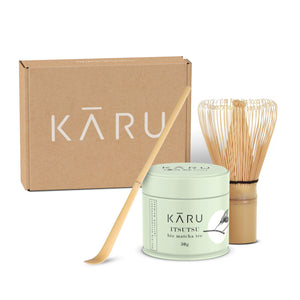


Ceremonial matcha is considered the highest quality grade – but the term is not legally protected. Here you’ll learn what “ceremonial grade” really means, how to recognize true top quality, and why we at Matcha Kāru deliberately focus on origin rather than labels.
Key points at a glance
- “Ceremonial grade” is not a protected term – there are no legal criteria, and any supplier may use it freely.
- Genuine ceremonial matcha almost always comes from the first harvest in spring and is shaded for about 3–4 weeks before harvest.
- Signs of quality are a vibrant green color (lots of chlorophyll), mild umami and a fine, lump-free texture.
- Only the most tender leaves are processed into tencha and ground in granite stone mills – traditionally only about 30–40 g per hour.
- Instead of labels, it pays to look at cultivar, region and processing – e.g. Okumidori from Kirishima or Yabukita from Nishio.
Ceremonial matcha is considered the crowning glory of the matcha world: a piece of Japanese culture, a moment of calm – and a true taste experience. But what does ceremonial grade actually mean? And why do we at Matcha Kāru deliberately use this term sparingly?
What does “ceremonial grade” mean for matcha powder?
The term ceremonial grade originally comes from the Japanese tea ceremony. There, matcha is served in its purest form – without milk, without sugar, just as a fine powder whisked with hot water. To be suitable for this, it should have these qualities:
- A vibrant green color that speaks of plenty of chlorophyll.
- A mild, slightly sweet aroma without dominant bitter notes.
- An intense umami flavor that lingers on the palate.
- A fine, velvety texture that dissolves creamily in water.
Why is “ceremonial” not a protected term?
As premium as the label sounds – it is not protected. Any supplier can call their powder “ceremonial grade” without any fixed criteria applying. Some manufacturers also give ratings such as “90/100” or “Supreme Premium Matcha”. That sounds impressive, but it is neither verifiable nor legally binding.
This means there are big differences on the market. A powder labeled ceremonial may in fact be of a completely different quality grade. So it’s more worthwhile for you to pay attention to visible characteristics such as color, aroma and origin – instead of blindly trusting labels and marketing terms.
How is ceremonial matcha made?
The journey from leaf to powder determines how much you’ll enjoy it later. High-quality ceremonial matcha goes through four key steps:
Shading
The plants are covered 3–4 weeks before the harvest. Growth slows down, and more chlorophyll and amino acids are formed.
Harvesting
Only the most tender leaves of the first picking are harvested – often by hand.
Steaming & drying
Steamed right after the harvest (this stops oxidation), dried and freed from stems and veins. What remains is tencha.
Stone grinding
Slowly ground into an ultra-fine powder in granite stone mills – traditionally only about 30–40 g per hour.

The cultivar, i.e. the tea variety, also shapes the flavor. Okumidori, for example, is popular for its round, slightly sweet profile. The region plays a role too: climate, soil and growing tradition bring out their very own nuances – from mild and slightly sweet to intense and complex.
Ceremonial, premium or culinary grade – what’s the difference?
You may have already come across different quality grades. This classification helps as a rough guide – but, as mentioned, it is not protected:
| Quality grade | Character & processing | Best use |
|---|---|---|
| Ceremonial | First harvest, long shading, especially finely ground | Enjoy pure (usucha/koicha) |
| Premium | Also high quality, often a little stronger | Creamy matcha latte |
| Culinary | Stronger, more coarsely ground | Baking, cooking, smoothies |

At Matcha Kāru, we pay less attention to labels and more to honest information about origin and processing. With us, you’ll find only matcha that is suitable for pure enjoyment – in other words, grades that meet the criteria of ceremonial and premium grade.
How can you recognize good matcha?
If you’re unsure, a quick look and a smell test will help:
- Color: High-quality matcha is an intense, vibrant green. Yellowish or dull tones point to lower quality.
- Aroma: Fresh and slightly sweet – not musty or hay-like.
- Taste: Mild, creamy, with a pleasant umami. Bitterness or a fishy aftertaste is a warning sign.

What matters at Matcha Kāru?
We could easily call our grades “ceremonial matcha” – they meet the criteria associated with the term. But we would rather offer you real transparency. That’s why with us you’ll find:
- Focus on flavor: Every matcha is carefully selected and impresses with a balance of sweetness, umami and subtle notes.
- Organic quality: from certified organic farming in Japan – without pesticides or artificial additives.
- Transparency instead of labels: We name the origin, region, variety and processing. That way, you can judge for yourself what’s in your tin.
Which matcha grade suits you?
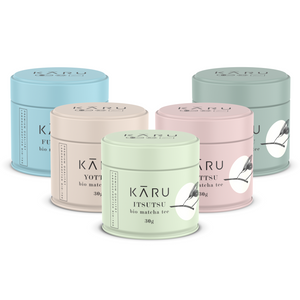
All of our teas meet the criteria of ceremonial grade – but they differ in cultivar, harvest and shading. This gives each grade its own profile:
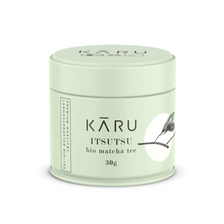
- Itsutsu: Fresh and intense, partially shaded, cultivar Yabukita. Ideal for a bold matcha latte or smoothies.
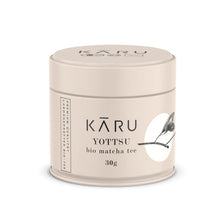
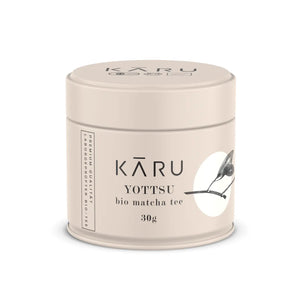
- Yottsu: Complex and full-bodied, first harvest, shaded for longer. Perfect for traditional preparation or an elegant “Deluxe” latte.
- Mittsu: Lively and fresh. Hand-picked, first harvest from Nishio (Aichi), fully shaded for at least 21 days. An all-rounder.
- Futatsu: Gentle, round and subtle. Also from Nishio, shaded for 30 days and hand-picked – for beginners too.
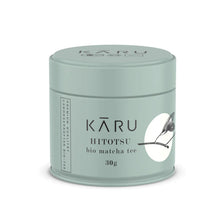
- Hitotsu: Round, complex and elegant. Cultivar Okumidori, shaded for more than 30 days, especially rich in umami – perfect for pure enjoyment.


Organic Matcha Hitotsu
Reich an Umami, Cultivar Okumidori – ideal für den puren Genuss.
from 35,00 € , 1.166,67 €/kg
Conclusion
“Ceremonial matcha” sounds like a clear promise of quality – but it is not a protected term. That makes what really matters all the more important: taste, color, origin and transparency. At Matcha Kāru, you get matcha that lives up to these values – so every bowl becomes not just a drink, but a moment of true tea enjoyment.


