



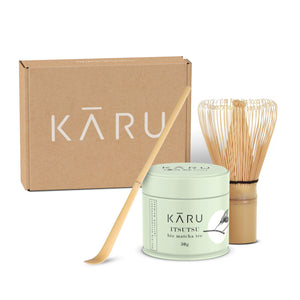


A matcha latte is matcha with frothed milk – creamy, mild and with far less bitterness than a cappuccino. All you need is 2 g of matcha, 30 ml of water and 200–250 ml of milk. The most important rule: don't use the most expensive tea.
The key points at a glance
- A matcha latte needs 2 g of matcha (two heaped bamboo spoons, approx. 1 tsp), 30 ml of water for the paste and 200–250 ml of milk.
- The water should be around 80 °C – boiling water makes matcha bitter.
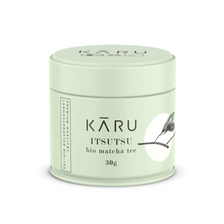
- For lattes, bolder entry-level grades such as Organic Matcha Itsutsu work better than premium teas: they hold their own against the milk.
- Oat milk (barista version) froths most reliably because its higher fat content stabilizes the foam; rice milk stays thin.
- Order: first mix the paste, then water, then milk – that way no lumps form.
What is a matcha latte?
A matcha latte is powdered green tea, mixed into a paste and topped with frothed milk. Unlike a cappuccino, the powder is not extracted but drunk completely – so you take in the whole leaf, including the catechins and the amino acid L-theanine it contains.
As a result, the caffeine works differently than with coffee: L-theanine slows down absorption, which is why matcha is usually experienced as more even. More on this in our article on the ingredients of matcha.

Which matcha is best for a matcha latte?
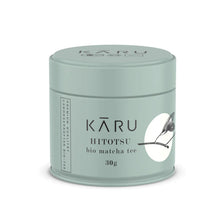
Milk masks subtle flavor nuances. In a latte, a high-priced premium matcha such as Hitotsu loses exactly what you pay for: its sweetness and its delicate umami note.
Bolder, nuttier grades work better. Our Organic Matcha Itsutsu is made for this – fruity and fresh with a distinct nutty note that still comes through even with oat milk.
|
Type of milk |
Frothing |
Taste with matcha |
|
Cow's milk (3.5%) |
very good |
Round and sweet – masks the tartness of the matcha |
|
Oat milk (barista) |
good |
Grainy and sweet – harmonizes with the nutty notes in the tea |
|
Soy milk |
good, curdles when hot |
Strong and beany – slightly dominates the matcha |
|
Almond milk |
medium |
Nutty – enhances the nutty note of the matcha |
|
Coconut milk (barista) |
good – plain coconut drink barely froths |
Exotic and fruity – the sweet coconut note makes the matcha fresh |
|
Rice milk |
weak |
Very sweet, little body – stays thin in the glass |
What accessories do you need?
Four things make the difference between lumpy green tea and a creamy latte:
- Sifter (furui): Matcha clumps because of moisture. One pass through the sifter is the most reliable way to a smooth paste.
- Bamboo whisk (chasen): 100 prongs whip in far more air than a spoon or a fork.
- Bamboo spoon (chashaku): One heaped spoon equals around 1 g – two spoons give you the latte dose, no scale needed.
- Bowl with spout: Lets you pour cleanly into the glass without matcha sticking to the rim.
How do you make a matcha latte?
Sift
Sift 2 g of matcha (2 heaped bamboo spoons) through a fine sifter into the bowl.
Mix the paste
Add 30 ml of water at 80 °C and stir with the chasen until smooth – no more visible lumps.
Froth the milk
Heat 200–250 ml of milk to max. 65 °C and froth it.
Combine
Pour the milk into the glass and slowly pour the matcha paste over it. Sweeten with honey or maple syrup if you like.
For the classic Japanese preparation without milk, you will find all the details in our guide to matcha tea preparation.
How do you make an iced matcha latte?
For the cold version, you only change two steps: mix the paste with 30 ml of warm water – that's how the powder dissolves fastest. Then fill a glass with ice cubes, add 200–250 ml of cold milk and finally pour the paste over the ice – this creates the typical two-tone layering.
If you would like to drink matcha cold without any milk, you will find the method in our article on cold matcha.

Does a matcha latte also work with cold water (cold whisking)?
Yes. Matcha is a suspension, not an infusion – the powder does not need to dissolve in hot water, it only needs to be finely dispersed in the water. With cold whisking, you whisk 2 g of sifted matcha directly with 30 ml of cold water: briskly with the chasen in a W motion for about 30–60 seconds until a smooth, slightly frothy paste forms. Alternatively, a shaker with two or three ice cubes works too.
The taste changes noticeably: without heat, the bitter compounds (catechins) are less prominent, and the matcha tastes softer and sweeter. That is why cold whisking goes especially well with an iced matcha latte – simply pour the cold paste over ice and milk, no kettle needed.

Organic Matcha Itsutsu
Kräftig und nussig – setzt sich gegen Milch durch
from 19,00 € , 633,33 €/kg
Conclusion
A good matcha latte comes down to three things: the right quality (bold rather than expensive), a dose of 2 g of matcha to 30 ml of water and 200–250 ml of milk, and the order paste before milk. With a sifter and chasen, preparation takes less than three minutes.


