





Plenty of experiences, rumors and recommendations about matcha tea are going around – from "wakes you up like espresso" to "completely overpriced". We sort through the six most common claims and tell you which of them are true and which are not.
The key points at a glance
- Matcha delivers 60–80 mg of caffeine per 2 g serving – comparable to a strong espresso (approx. 60–70 mg), but thanks to the amino acid L‑theanine it works more calmly and for longer.
- Bad matcha experiences almost always come from cheap discount-store powder (e.g. €9 matcha): bitter, watery, seaweedy. Good matcha tastes sweet, creamy and buttery.
- The price is explained by the tencha plant, weeks of shading, hand-picking of the top two leaves and grinding on granite stone mills (only 30–70 g per hour and mill).
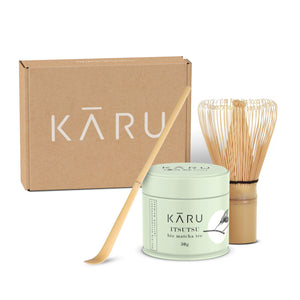
- For your own first impression, a small, high-quality entry-level matcha is enough – expensive sets are not necessary just to try it.
Many people have heard of matcha but have never tried the fine green powder themselves. Before buying it, they look for information – and come across lots of claims and recommendations. Let's take a closer look at the six most common ones.

Is matcha tea really healthy?
The health aspect is one of the main reasons why matcha has won so many fans so quickly. Among other things, the powder contains antioxidants, amino acids and vitamins and has a higher nutrient density than steeped green tea – after all, you drink the whole leaf. You can read exactly which substances it contains in our article on the ingredients of matcha.
Because of the EU Health Claims Regulation, we are deliberately careful with health-related statements. Studies point to positive effects, but in the end you decide for yourself, based on the ingredients, whether the tea is right for you.
Does matcha keep you awake and focused like coffee?
Yes – but differently from coffee. With 60–80 mg of caffeine per 2 g serving, matcha does have a high caffeine content, comparable to a strong espresso. Instead of a short adrenaline rush, however, the effect unfolds gently and steadily.
Responsible for this is the amino acid L‑theanine, which matcha contains in abundance. It modulates the effect of caffeine, smooths out energy dips and promotes a calm, focused alertness – being awake without the jitters and without the crash.

How much caffeine does matcha have in comparison?
For context, here is a direct comparison per typical serving:
Drink |
Amount |
Caffeine |
Matcha |
2 g powder |
60–80 mg |
Espresso |
1 cup |
60–70 mg |
Filter coffee |
240 ml |
95–200 mg |
Black tea |
240 ml |
14–70 mg |
Green tea |
240 ml |
30–50 mg |
The caffeine concentration in the powder is therefore higher than in steeped teas. If you are sensitive to caffeine or have health restrictions, increase your intake slowly and, if in doubt, seek medical advice.
Does matcha really not taste good?
This prejudice almost always comes from the wrong first experience. If your introduction is a €9 matcha from the drugstore, you will be bitterly disappointed – quite literally. Such low-grade powders are watery, sour and sometimes taste of seaweed or fish.
Really good matcha tastes completely different: fine, complex aromas, a heavy, creamy body, slightly sweet and buttery. The first impression is decisive – and with the right quality it is usually surprisingly positive.

Is matcha just another superfood trend?
Chia, goji, moringa, maca – the list of supposed miracle foods never ends, and many trends fade as quickly as they arrived. The reason: they are often reduced purely to their effects, and taste comes second.
Matcha is different. Good matcha is a pleasure full of culture and craftsmanship that has been cultivated and drunk in Japan for centuries – more comparable to a good wine or whisky than to a diet powder. So if you focus on quality, you are not adopting a miracle cure but a new pleasure with pleasant side effects.

Is matcha really overpriced?
Matcha sometimes costs €1 per gram or more – is that justified? The price is explained by cultivation and processing. The plant is called tencha, the finest of all green tea varieties, and growing it is exceptionally demanding.
Before the harvest, tencha is shaded for weeks. The controlled withdrawal of light stimulates the formation of chlorophyll and amino acids – the basis for the bright green color and the complex, buttery character. It is a balancing act: too much shade weakens the plant and lowers the yield.
Quality factor |
Effect on the price |
Special cultivation (shading, fertilization) |
Increases labor and costs |
Expertise and experience |
Specialists are needed and raise production costs |
Quality control and low yield |
Lower yield raises the price per unit |
For the best tea, only the top two, most tender leaves are picked by hand, stripped of veins and stems and ground into the finest powder on granite stone mills – producing only 30–70 g per hour and mill. If you add up all the steps from cultivation to harvest and processing, it becomes clear: the price of good matcha reflects real quality and care.

Is preparing matcha too complicated?
Matcha is prepared differently from bagged tea, that's true – but it is not complicated. You sift the powder, pour on hot but not boiling water and whisk the tea until frothy with a bamboo whisk. After a few tries, you will have the knack.
Many people experience exactly this ritual as meditative and relaxing – a small moment of mindfulness in everyday life. We show you exactly how it works in our guide to matcha preparation.
Conclusion: are your own matcha experiences worth it?
Most negative matcha experiences come down to cheap powder and wrong expectations. With good quality, proper storage and a little practice in preparation, matcha shows its best side: energizing yet calm, and a real pleasure to taste. In the end, only one thing helps – try it for yourself.

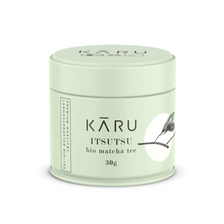
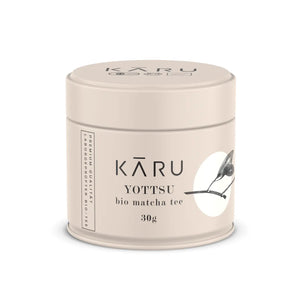
Organic Matcha Itsutsu
Idealer Einstieg: hochwertiger Bio-Matcha für die erste eigene Erfahrung.
from 19,00 € , 633,33 €/kg


