





Matcha tea is ground Japanese green tea – instead of an infusion, you drink the whole leaf, milled into a fine powder. This introduction gives you a compact overview of what makes matcha special: origin, constituents, quality levels, preparation and what to look for when buying.
The essentials at a glance
- Matcha (抹茶, "ground tea") is green tea (tencha) that is shaded before harvest and ground into powder – you drink the whole leaf.
- The Zen monk Eisai brought powdered tea from China to Japan in 1191; today the best-known growing regions are Uji (near Kyōto), Nishio (Aichi) and Kirishima/Kagoshima.
- A traditional granite stone mill turning at around 30 revolutions per minute grinds only about 30–40 g of matcha per hour – which explains the price.
- Matcha provides L-theanine, caffeine and antioxidants (catechins); the caffeine is bound to tannins and therefore works more gently and longer than coffee.
- Preparation: whisk 1–2 g of powder with 70–90 ml of water at 65–75 °C – never use boiling water.
What is matcha tea and how is it made?
Matcha comes from Japanese (抹茶) and means ground tea. It is made from a special green tea called tencha. Before harvest, the tea plants are shaded for several weeks. This lack of light increases the production of chlorophyll and amino acids in the leaf – creating the deep green color, the creamy texture and the mild, slightly sweet character.
For the best grades, only the most tender top leaves are harvested, briefly steamed and gently dried. The stems and leaf veins are then removed, leaving pure tencha. This is slowly ground on granite stone mills. Because a mill turning at about 30 revolutions per minute yields only around 30–40 g per hour, the effort and the price of high-quality matcha teas are so high.
Shading
2–4 weeks before harvest, sunlight is greatly reduced – this enriches chlorophyll and L-theanine.
Harvesting & steaming
The young leaves are picked and briefly steamed to preserve their color and constituents.
Drying into tencha
After drying, the stems and veins are removed – the intermediate product is called tencha.
Grinding
The stone mill grinds the tencha extremely fine into matcha – slowly and cool, so the aroma is preserved.
Where does matcha come from and who brought it to Japan?
Powdered tea was already prized during China's Tang dynasty. The preparation came to Japan in 1191 with the Zen monk Eisai, who brought tea seeds and the knowledge of powdered tea back from his journey to China. While powdered tea was later forgotten in China, Japan developed it into an art form of its own – all the way to the tea ceremony, which in the 16th century, under tea master Sen no Rikyū, took on the form that still shapes it today.
Traditional matcha still comes from Japan today. Uji near Kyōto, Nishio in Aichi Prefecture and Kirishima in Kagoshima are considered particularly high-quality growing regions. You can read in detail how the tea powder is made, step by step, in the article Where does matcha come from and how is it made?.
What's in matcha tea?
Because you drink the whole leaf with matcha, its nutrient density is higher than that of steeped tea. Three constituents are especially characteristic: the amino acid L-theanine, caffeine and antioxidants (mainly catechins such as EGCG). On top of that come vitamins (including A, the B group, C, E) and minerals such as iron, potassium and zinc.
One special feature is the interplay of L-theanine and caffeine: in matcha, the caffeine is bound to tannins and is absorbed more slowly. Studies suggest that it can therefore work more evenly and for longer than the quick caffeine rush from coffee. You'll find in detail exactly which substances it contains under Matcha constituents.
What matcha grades are there and how do I recognize them?
Terms like "ceremonial", "premium" or "supreme" circulate on the market. None of them is protected – so on their own, they say little. The actual quality of a matcha tea depends on origin, cultivation and processing. These factors determine color, aroma, texture and taste.
High-quality matcha is a very fine, deep green powder with a mild, slightly fruity-floral aroma and a creamy mouthfeel. A pale, yellowish color and a strongly bitter taste, on the other hand, often point to older leaves or inferior goods. You'll find a detailed guide under Finding the right matcha.
Feature |
High-quality matcha |
Low-quality matcha |
Color |
Bright, deep green |
Pale, yellowish or brownish green |
Taste |
Mild, umami, slightly sweet |
Flat, strongly bitter |
Texture |
Very fine, dust-like |
Coarser, grainy |
Origin |
Named region in Japan (e.g. Uji, Kirishima) |
Unclear, often not stated |
Testing |
Certified organic & lab-tested |
No evidence |
How do I prepare matcha tea properly?
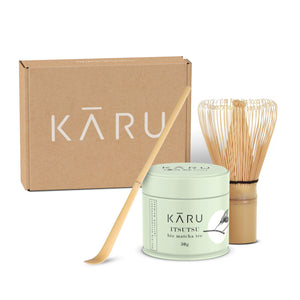
The classic preparation takes just a few steps. Basic equipment: a tin of matcha and a bamboo whisk (chasen). A bowl (chawan), sifter and bamboo spoon make it easier, but aren't a must.
Here's how: Sift 1–2 g of matcha into a bowl, add a small splash of water and stir everything into a smooth paste. Heat 70–90 ml of water to 65–75 °C – never boiling, as that makes the tea bitter. Pour in the water and whisk the tea in quick W-shaped motions until an even, fine foam forms. The classic matcha preparation shows you in more detail how to make it even creamier.
What should I look for when buying matcha?
Price alone is not a reliable indicator. Instead, look for transparency from the supplier: clear information on origin and cultivation as well as published lab results (including on pesticides and radioactive contamination). Organic certification and origin in Japan are good points of reference. A good matcha contains no additives or colorings and is made from young, fresh leaves.
After that, your taste decides: mild grades that work well in a latte, or intense teas for traditional preparation? Suppliers who describe their grades in detail and make them easy to compare are helpful.
What's the best way to enjoy matcha?
Once you've found your matcha, the best part begins: enjoying it. Besides the meditative Japanese tea ceremony, there are several ways to drink it.
Usucha and koicha are the two traditional forms: Usucha is the "thin" tea with more water, koicha the concentrated "thick" tea with more powder. More modern and creamier is the matcha latte with warm, frothed milk or a plant-based drink – a popular coffee substitute. For hot days, cold versions such as an iced matcha latte or matcha lemonade are ideal.

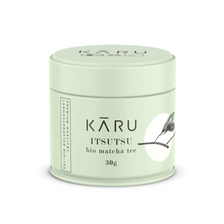
Organic Matcha Itsutsu
Fruchtig-intensiver Bio-Matcha aus Japan – ideal für den Einstieg und für cremigen Matcha Latte.
from 19,00 € , 633,33 €/kg
Conclusion
Matcha tea is more than a trendy drink: it's a centuries-old craft refined in Japan, in which you drink the whole tea leaf as a fine powder. If you pay attention to origin, organic certification and tested quality and follow the simple preparation, you'll get the best out of its color, aroma and constituents. The best thing is to try your way through yourself – easiest with a small starter set.


