



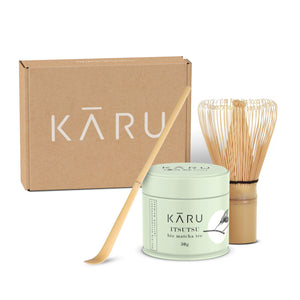


Preparing matcha often seems more complicated the first time than it really is: 1–2 g of matcha, a splash of water for a paste, then 75–100 ml of water at 75–80 °C – and a few minutes of practice with the bamboo whisk. Here you'll learn step by step how to whisk a creamy bowl of matcha that wins over you and your guests.
The essentials at a glance
- Dosage: 1–2 g of matcha per serving – that's 1–2 bamboo scoops or about ½ teaspoon.
- Water: 75–100 ml at 75–80 °C. Boiling water makes the tea bitter.
- Without a thermometer: bring the water to a boil and let it stand for 5 minutes – then it's at about 80 °C.
- Technique: first stir into a lump-free paste, then froth with quick W-shaped movements.
- Indispensable is the chasen (bamboo whisk) – only with it do you get the fine, dense foam.
Even the best tea in the world won't impress if it's prepared the wrong way. Luckily, you only need a few accessories and a little practice. Basically, matcha can be prepared in two ways: traditionally (our recommendation) and quickly. The two differ mainly in the accessories used.
Which accessories do you need to prepare matcha?
You need surprisingly little to prepare matcha properly. These three things are the basic equipment:
- High-quality matcha, ideally organic
- A matcha bowl (chawan) for mixing and drinking
- A bamboo whisk (chasen) for frothing
Optional but recommended: a matcha sifter against lumps, a bamboo spoon for measuring and a whisk holder for storage. You can improvise with the bowl and spoon if you have to – but never do without the chasen. Only with it will you get the perfect foam.

How do you prepare matcha traditionally?
Our focus is not on speed but on quality. The following steps follow techniques that have proven themselves in Japan for centuries. Be careful with shortcuts like "just pour hot water over it and stir" – that has little to do with proper preparation. Also pay attention to the contents of the powder itself and avoid cheap drugstore products.
Prepare bowl & whisk
Fill the bowl with warm water and place the chasen in the water bath. This warms the bowl and makes the bristles soft and flexible – which extends the life of the whisk.
Sift the matcha
Sift 1–2 g of matcha (1–2 bamboo scoops) through a fine sifter into the warmed bowl. Fine powder clumps easily due to static – sifted, it becomes even and froths better.
Make a paste
Add a sip of cold water and stir into a smooth, lump-free paste. No pressure, no rush – it's only about an even consistency.
Pour & froth
Add 75–100 ml of water at 75–80 °C. Whisk with quick W-shaped movements just below the surface until a dense, fine foam forms. The bristles shouldn't touch the bottom of the bowl.
If the foam doesn't work out at first, that's completely normal – it takes a little practice to guide the whisk so that a nice crown of foam forms.

How do you clean a matcha whisk properly?
After use, simply rinse the chasen with clear water – please don't use dish soap. Then place it on a dry cloth or put it on a whisk holder. On the holder, the whisk keeps its shape and dries evenly – which extends its life considerably.
Is there a quick way to prepare matcha?
When you're in a hurry, these options work too:
- An electric milk frother instead of the bamboo whisk.
- A shaker or a jar with a lid – the matcha isn't stirred but shaken vigorously.
You get a result quickly, but it doesn't quite match the fine foam of the traditional method.
Can you drink matcha tea cold?
Yes, definitely. Cold matcha is a refreshing alternative to the hot version and especially popular in the warmer months. Preparing cold matcha works almost the same way as hot – just with the extra step of cooling.
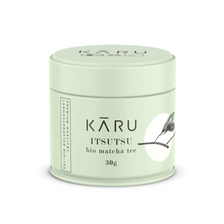
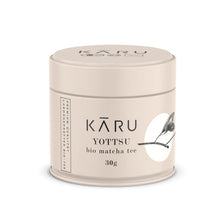
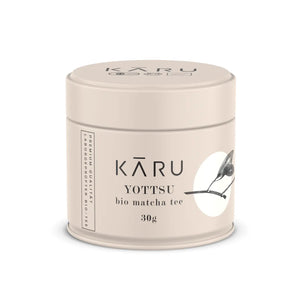
If you prefer to enjoy your matcha with milk as a matcha latte, it's best to choose a matcha with a bold aroma such as Matcha Itsutsu or Matcha Yottsu, so the flavor isn't drowned out by the (plant-based) milk.
What is the right amount of matcha and temperature?
The key guidelines at a glance:
|
Parameter |
Guideline |
Note |
|
Amount of matcha |
1–2 g per serving |
1–2 bamboo scoops or approx. ½ tsp |
|
Amount of water |
75–100 ml |
More water = harder to froth |
|
Water temperature |
75–80 °C |
Never boiling – otherwise the tea turns bitter |
|
Usucha (thin) |
approx. 70–80 ml per 1 g |
Mild, for every day |
|
Koicha (thick) |
approx. 40 ml per 2 g |
Intense, ceremonial |

Organic Matcha Mittsu Mini Set
Bio Matcha, Bambusbesen & Löffel – alles für den traditionellen Start.
42,00 €
Conclusion
Matcha can be prepared quickly and easily and still in the traditional way. You don't need more than a bamboo whisk, a little practice and good matcha powder. Watch the temperature (75–80 °C), sift the powder and take a moment for the foam – then you'll reliably whisk a creamy bowl of matcha.


