





On hot days, cold matcha is the refreshing way to enjoy your green tea powder – without giving up the gentle caffeine boost. With cold instead of hot water, the flavor stays milder and less bitter. We'll show you three cold preparations: iced matcha latte, matcha nice cream and a matcha lime lemonade.
Key points at a glance
- Cold matcha tastes milder and less bitter because cold water dissolves far fewer catechins (the bitter tannins) from the powder than hot water.
- When mixing, always whisk a paste first from the powder and a little water, then top up – that way the matcha won't clump in the cold drink.
- Iced matcha latte: 1 heaped bamboo spoon (approx. 2 g) of matcha with 30–50 ml of cold water to make a paste, then whisk in 100 ml of water and pour over 50–100 ml of cold milk.
- Matcha nice cream: blend 3 frozen bananas with 2 tsp of matcha – a creamy ice cream alternative with no sugar at all.
- For full flavor without watering it down, freeze matcha ice cubes in advance instead of regular ice cubes.
Why does cold matcha taste milder than hot?
The flavor of matcha depends heavily on the water temperature. Hot water dissolves more catechins – the tannins responsible for the tart, slightly bitter note. Cold water extracts these bitter compounds more slowly, while the sweet, umami amino acids such as L-theanine are preserved.
The result: cold-prepared matcha tastes rounder, sweeter and less astringent. That is especially pleasant on hot days – and ideal for beginners who like their tea mild at first.
How do you make an iced matcha latte?
The iced matcha latte is the creamy classic for hot days. The order matters: first stir a smooth paste so that no lumps form later.
Make a paste
Stir 1 heaped bamboo spoon of matcha (approx. 2 g) with 30–50 ml of cold water in a bowl until smooth.
Whisk
Add 100 ml of cold water and whisk until frothy with the bamboo whisk (chasen).
Pour over milk
Pour 50–100 ml of cold milk or oat milk into the glass and add the matcha.
Chill & sweeten
Add ice cubes and sweeten with honey or agave syrup to taste.

Which milk goes best with your matcha latte – from oat to cow's milk – is covered in our big milk comparison.
How do you make matcha nice cream without an ice cream maker?
Nice cream is a creamy ice cream alternative made from frozen bananas alone – with no added sugar and no ice cream maker. Matcha gives it a fresh, slightly tart note.
Freeze the bananas
Cut 3 ripe bananas into pieces and freeze them for at least 4 hours (ideally overnight).
Blend
Blend the frozen pieces in a blender, optionally with a little coconut milk or coconut yogurt for extra creaminess.
Stir in the matcha
Add 2 tsp of matcha and a little honey if you like, until the consistency is creamy.
Top it
Garnish with fresh berries, nuts or coconut flakes and enjoy right away.

How do you make a matcha lime lemonade?
The zestiest of the three variations: perfect for taking along to the lake. The lime makes the matcha especially fresh and refreshing.
You'll need 1 level teaspoon of matcha, the juice of 2 limes plus a few lime slices, 500 ml of mineral water, fresh mint and ice cubes. If you like it sweeter, add honey or agave syrup. Mix all ingredients except the ice cubes and mint vigorously in a shaker or blender, then serve over ice.

What goes well with cold matcha?
Matcha isn't the only thing you can enjoy cold: classic leaf green tea also tastes very aromatic when cold-brewed. Sencha and gyokuro in particular develop a delicate sweetness when cold. We show you how this works in detail in our article on cold-brewed green tea.
For the warm version on rainy days, you'll find everything in our guide to classic matcha preparation.

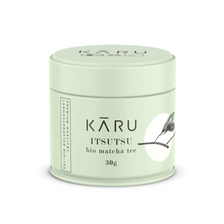
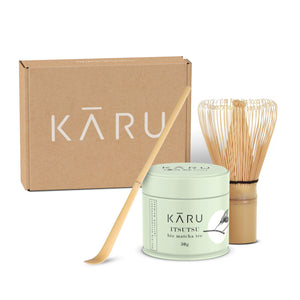
Organic Matcha Itsutsu
Fruchtig-intensiv und ideal für Iced Latte, Limonade & Smoothies.
from 19,00 € , 633,33 €/kg
Conclusion
Cold matcha is simple, refreshing and, thanks to the cold water, tastes especially mild. Whether a creamy iced latte, banana nice cream or a zesty lemonade – with an intense matcha that dissolves well, all three variations turn out great. Try them and find your favorite for hot days.


