



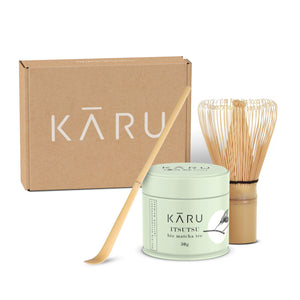
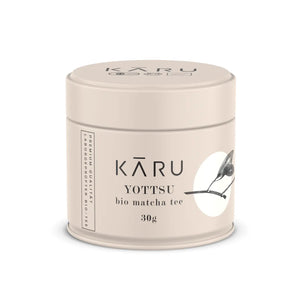


"No metal with matcha!" – the saying is stubborn. The short answer: a stainless steel sifter, a metal spoon and a tinplate tin do your matcha no harm. What really affects it is light, oxygen, heat and moisture.
Key points at a glance
- Stainless steel is inert. Alloys such as 18/8 form a passive layer of chromium oxide and release no metal ions into matcha.
- Uncoated iron and copper are reactive – and you will practically never find either in modern matcha utensils.
- The actual oxidation is driven by oxygen, moisture and heat: prepared matcha noticeably changes color and flavor after about 30–60 minutes.
- Avoiding metal comes from chanoyu, the Japanese tea ceremony – the reason is aesthetic, not chemical.
- Water temperature: 70–80 °C instead of boiling water protects L-theanine and catechins.
Where does the myth "matcha and metal don't mix" come from?
Matcha is an extremely finely ground powder made from shaded tencha leaves. This fine structure creates a very large surface area – and with it a well-earned reputation for being delicate.
That led to a false conclusion: if matcha is delicate, metal must be dangerous. But the origin lies elsewhere – in the Japanese tea ceremony, which deliberately uses bamboo, wood and ceramics. Over the years, a cultural convention turned into a supposed chemical fact.
Does matcha really react with metal?
It depends on the metal. Oxidation is a reaction with oxygen – the same process that makes iron rust. Whether a metal takes part in it depends on how reactive it is.
|
Material |
Behavior |
For matcha |
|
Stainless steel (18/8) |
Passive layer of chromium oxide, corrosion-resistant |
Safe |
|
Tinplate |
Tin-coated steel, lightproof, can be sealed airtight |
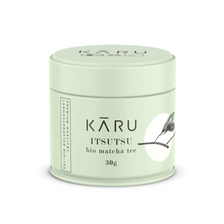
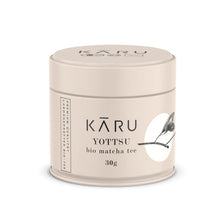
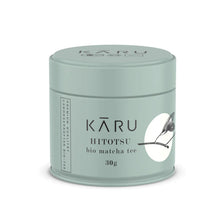
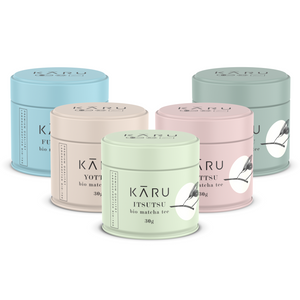
Safe, ideal for storage |
|
Copper |
Releases ions when moist, catalyzes oxidation |
Avoid |
|
Uncoated iron |
Rusts, reacts with moisture |
Avoid |
|
Bamboo & ceramics |
Chemically inert |
Safe, traditional |
For everyday use, this means: a stainless steel sifter, a teaspoon or an electric milk frother are completely unproblematic – even with daily use.

What actually makes matcha age?
The four real adversaries are oxygen, moisture, heat and light. Once the matcha is mixed, catechins start to react with the oxygen in the water – this becomes clearly noticeable around 30 to 60 minutes after preparation, as a review on the stability of green tea catechins shows.
You don't have to drink your matcha within seconds. But freshly whisked, it tastes fullest – and keeps its bright green color.
Store in the dark
Lightproof tin, cool cupboard – not the windowsill.
Seal airtight
Close right after each use, keep moisture out.
Pour at 70–80 °C
Boiling water destroys the aroma and makes it bitter.
Drink fresh
Within the first few minutes after whisking.

Stainless Steel Matcha Sifter (furui) - Gold
Edelstahl, unbedenklich – für klumpenfreien Matcha
14,00 €
So why does the Japanese tea ceremony avoid metal?
Because chanoyu is not about chemistry but about attitude. The four principles of the way of tea – wa (harmony), kei (respect), sei (purity) and jaku (tranquility) – shape every utensil.
The bamboo chasen stands for simplicity, the chashaku for respect for nature, the ceramic chawan for craftsmanship. Cool stainless steel simply doesn't fit this picture – an aesthetic argument, not a health one.
What accessories does your matcha really need?
A sifter that catches lumps, a whisk or milk frother for the foam, and a lightproof tin. Whether these are made of stainless steel or bamboo is a matter of taste – not of quality. More on this in our overview of matcha accessories.
Conclusion
Metal won't ruin your matcha. Stainless steel and tinplate are inert, and copper and bare iron hardly ever appear in a matcha kitchen anyway. Focus instead on light, air, heat and moisture – that's what decides how good your tea tastes.


