





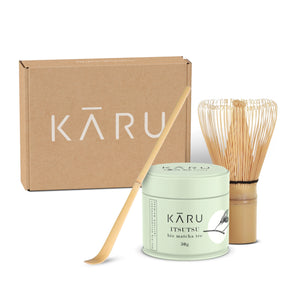
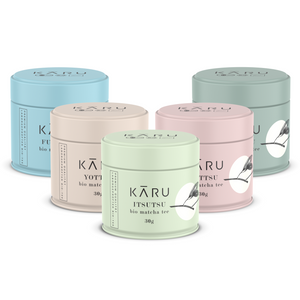


Many women who drink matcha tea regularly ask themselves this question during pregnancy: Do I have to give up my ritual now? The short answer is: No—but you should be mindful of the amount. Matcha is a finely ground green tea powder made from the leaves of the tea plant. It’s one of the finest varieties of green tea and is rich in nutrients and antioxidants, which is why it’s often considered a superfood. Since matcha also contains caffeine (also known as theine), pregnant women in particular should be mindful of their intake.
Caffeine During Pregnancy—What Does the Science Say?
Caffeine passes directly to the baby through the placenta. Since the unborn baby cannot yet metabolize caffeine, professional organizations advise caution. According to the European Food Safety Authority (EFSA), a daily upper limit of 200 mg of caffeine is considered safe for pregnant women.
As a guide, here are a few examples of caffeine content (values naturally vary depending on the type and preparation):
-
Filter coffee (200 ml): approx. 90–100 mg
-
Espresso (60 ml): approx. 80 mg
-
Black tea (250 ml): approx. 50–60 mg
-
Green tea (250 ml): approx. 20–50 mg
-
Matcha (1–2 g powder, 150 ml): approx. 30–80 mg
-
Hojicha (250 ml): approx. 7–10 mg
This makes it clear: Just two bowls of matcha a day can provide about 60–160 mg of caffeine—and that’s still within a safe range. But be careful: Other foods, such as cola or chocolate, also contribute to your daily caffeine intake.

Matcha vs. Coffee – A Comparison of Effects
In terms of caffeine content alone, one bowl of matcha is comparable to one cup of coffee. But the effects are different. The reason for this is L-theanine, an amino acid that occurs naturally in matcha. L-theanine is associated with a balancing effect and counteracts the effects of caffeine.
While coffee often provides a quick energy boost followed by a crash, matcha delivers steady energy over several hours. Many pregnant women report that it makes them feel more alert yet calmer at the same time—without heart palpitations or nervousness. This is a welcome benefit, especially during a time when sleep and energy levels often fluctuate.

Antioxidants and Nutrients in Matcha
In addition to caffeine, matcha contains many valuable nutrients. Because the entire leaf is consumed in powder form when you drink it, a particularly high concentration of these components ends up in your cup:
-
Antioxidants such as catechins (EGCG)
-
Vitamin C and various B vitamins
-
Minerals such as potassium and iron
-
Chlorophyll, which gives it its intense green color

This variety makes matcha a special addition to your daily routine. It can also be enjoyed during pregnancy—in moderate amounts—to incorporate it into your daily routine without overdoing it. Since very large amounts of green tea can affect folic acid absorption, it’s best to keep consumption moderate.
How much matcha tea is safe to drink during pregnancy?
As a rule of thumb, 1–2 bowls of matcha per day are safe during pregnancy. The caffeine content depends on how much powder you use—1 g contains about 30–40 mg, and 2 g contains about 60–80 mg.
According to the EFSA, a single bowl in the morning is therefore completely safe. If you enjoy two bowls a day, you’re still within the safe range—provided you’re not also consuming large amounts of coffee or black tea. The important thing is not to exceed the recommended daily upper limit of 200 mg of caffeine.

The Matcha Ritual During Pregnancy
Many women love matcha not only for its effects but also for the little ritual involved. Especially during pregnancy, it can be beneficial to consciously set aside a few minutes each day for a bowl of matcha. This mini-ritual helps structure the day, promotes relaxation, and is often described as a gentle energy boost.
Whether you drink matcha black or as a creamy latte—what’s important is that you use this moment for yourself. Conscious enjoyment helps you appreciate the flavor, the properties, and the little break. Many pregnant women report that this ritual gives them not only energy but also inner balance.
Hojicha—the lower-caffeine alternative
If you’re in the mood for more than just one cup of tea but want to keep an eye on your caffeine intake, hojicha is perfect. It’s a Japanese tea variety made from roasted leaves. The roasting process drastically reduces the caffeine content: one cup contains only 7–10 mg.
Hojicha has a delightful flavor with mild, slightly nutty notes. Some even compare it to coffee or chocolate—only much milder. You can brew Hojicha the traditional way or enjoy it as a creamy Hojicha latte. For pregnant women, hojicha is a great alternative if you want a warm drink in the evening without it affecting your sleep.

Matcha While Breastfeeding
Caffeine remains a concern even after giving birth. During breastfeeding, a small amount passes into breast milk. Studies show that amounts up to 200 mg per day generally have no negative effects. However, some babies are sensitive to it: they may sleep poorly or be more restless.
So here’s our tip: It’s best to enjoy matcha in the morning or at lunchtime. This gives your body time to metabolize the caffeine before it passes into your milk in the evening. If your baby is particularly sensitive, you can reduce the amount or switch to hojicha more often. Again, every mother and every child is different.
Practical Tips for Pregnant Women and Mothers
To help you enjoy matcha tea stress-free during pregnancy and while breastfeeding, here are a few tips:
-
Choose organic matcha: Opt for high-quality organic matcha from Japan. That way, you can be sure you’re drinking a pure product.
-
Keep an eye on the amount: Stick to a maximum of two cups per day.
-
Be mindful of timing: It’s best to drink it in the morning so it doesn’t disrupt your sleep.
-
Consider other beverages: Coffee, black tea, and cola count toward your daily total.
-
Mix it up: Hojicha is a wonderful, lower-caffeine alternative.
-
Listen to your body: Every woman reacts differently. If you notice that matcha makes you jittery, reduce the amount.
-
Consult a professional: If you’re unsure, your doctor or midwife is the right person to consult.

Conclusion: Matcha during pregnancy—yes, but in moderation
Can you drink matcha during pregnancy? The answer is: Yes, as long as you do so in moderation. One to two bowls a day are perfectly fine; they’re often described as a gentle energy boost and contain various vitamins and minerals.
If you’d like to drink more or don’t want to skip your evening tea ritual, hojicha is a wonderful alternative: it’s almost caffeine-free, delicious, and soothing.
The important thing to remember is: Keep the recommended upper limit of 200 mg of caffeine per day in mind, listen to your body, and seek medical advice if you’re unsure. Then you can relax and enjoy matcha tea even during pregnancy and while breastfeeding—and treat yourself to little moments of pleasure in your everyday life.


