







Matcha latte is no longer just an insider’s secret; it has become a popular trend drink worldwide. Whether in cafés, on social media, or in your own kitchen—this green blend of matcha powder and frothed milk delights with its vibrant color, mild flavor, and invigorating effect. But what is the best “matcha milk”? Which type of milk or plant-based alternative pairs best with this delicate tea? And how do the different types of milk affect not only the taste but also the valuable nutrients in matcha? That’s exactly what we’ll be exploring.
Key Takeaways
- The less protein the milk contains, the better the antioxidants (catechins) in matcha are preserved.
- Cow’s milk and soy milk strongly bind catechins—resulting in up to a 56% loss of effectiveness.
- Coconut, almond, and oat milk offer the best balance of taste and effectiveness.
- For maximum effectiveness: drink matcha straight with water (70–80°C).
Tradition Meets Trend: The Evolution of the Matcha Latte
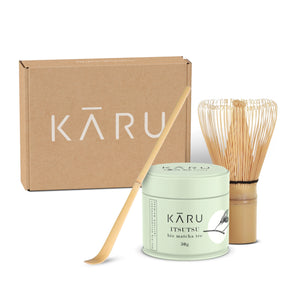
Originally, matcha—a particularly finely ground green tea powder from Japan—was whisked with hot water using a bamboo whisk (chasen) in a matcha bowl. This traditional preparation is simple yet powerful. With the matcha latte, however, this tea culture meets Western coffee culture. Instead of water, milk comes into play—often frothed—and transforms the tea into a creamy beverage perfect for any time of day. With its gentle caffeine kick, which takes effect more slowly than with coffee, the matcha latte promotes focused alertness without jitters.
But not all milk is created equal—whether in terms of taste, health benefits, or environmental impact. Choosing the “right” milk for matcha has become part of a personal journey of discovery.

Cow’s milk—the classic all-rounder
For many, cow’s milk remains the top choice for a latte—including the matcha latte. It gives the drink a creamy texture and a natural sweetness that rounds out the grassy notes of matcha tea. With its fat content (preferably 3.5%), it ensures a harmonious blend of tea and milk—the result is a full-bodied flavor with stable milk foam.

Organic Matcha Itsutsu
Fein-herb und intensiv – ideal für cremige Lattes.
ab 19,00 € · 633,33 €/kg
Benefits:
-
Creamy consistency, good milk foam
-
Sweet, well-rounded flavor
-
A familiar base for many coffee drinkers
But there are also downsides: Cow’s milk contains casein, a milk protein that partially binds the antioxidants in matcha—including catechins. Studies show that the antioxidant effect of matcha can decrease by up to 56% when cow’s milk is added. For people who are lactose intolerant or follow a vegan lifestyle, cow’s milk is out of the question anyway.
Oat milk—the mild all-rounder
Oat milk has established itself as a favorite in the world of milk alternatives—even among matcha fans. It has a naturally mild, slightly sweet taste that harmonizes perfectly with the bitter, plant-based flavor of matcha. Barista-style oat milk, in particular, froths up well and produces a stable milk foam—ideal if you’re pouring the frothed milk into your drink and want a creamy texture.
Benefits:
-
Vegan, sustainable, slightly sweet
-
Foams well
-
Pairs exceptionally well with matcha
Oat milk is also interesting from a scientific perspective: It’s low in protein—which means it has virtually no effect on matcha’s antioxidant properties. Studies report a loss of efficacy of only 26–35%, which is significantly lower than the impact of cow’s milk or soy milk.

Soy milk—high in protein, but with its pitfalls
Soy milk was one of the first plant-based alternatives on the market—and has earned a firm place in the matcha latte as well. It’s high in protein, relatively neutral in flavor, and, when prepared barista-style, produces good-quality foam. So if you’re looking for nutritional value and milk foam, this is the one for you.
However, studies show that soy milk, with its protein structure—similar to that of cow’s milk—binds antioxidants such as catechins. The result: Matcha made with soy milk loses nearly as much of its antioxidant effect as when made with cow’s milk. So, from a purely health perspective, it’s less suitable.

Almond milk – nutty elegance
Almond milk offers a delicate, slightly sweet and nutty flavor—an exciting complement to the tart matcha. Sweetened varieties, in particular, are a treat for the palate, while unsweetened almond milk can taste rather tart. The milk foam is slightly lighter in texture but can be easily adjusted using barista techniques.
Advantages:
-
Vegan, low in calories
-
Interesting, nutty flavor
-
Minimal impact on antioxidants
In terms of effects, almond milk stands out due to its low protein content: According to studies, the loss of antioxidant capacity is significantly lower than with cow’s milk or soy milk.

Coconut milk – tropical and nearly neutral
If you like things exotic, you’ll love coconut milk. Its sweet, creamy flavor evokes vacation vibes and gives the matcha latte a tropical twist. However, the coconut flavor quickly takes over—fans love this, but matcha lovers who prefer the classic taste tend to be less enthusiastic.
The big advantage: Coconut milk contains hardly any protein, but more fat. This protects the valuable catechins in the matcha. Studies show that the antioxidant effect remains almost as strong with coconut milk as it is with pure matcha.
Benefits:
-
Vegan, low in protein, distinctive flavor
-
Preserves antioxidants almost entirely
-
Ideal for iced matcha lattes with ice cubes

Rice Milk, Cashew Drink & Co.—the Niche Stars
In addition to the classics, there are many exciting alternatives. Rice milk is particularly sweet, hardly foams at all, but works well in cold recipes. Cashew drink is similar to almond milk; it’s creamy and slightly sweet. Pea protein drinks are still relatively new—neutral in flavor, high in protein, but with binding properties similar to soy milk.
The key here is to give them a try! Each blend brings its own unique flavor profile, ranging from sweet to nutty, and from light and airy to creamy. If you’re adventurous, you can also experiment with blends like oat and coconut milk—which often taste surprisingly harmonious.
Overview
| Type of Milk | Flavor | Foamability | What happens to the active ingredients in matcha? |
| Cow’s milk | Creamy, sweet and rounded | Very good | A lot is lost: The milk protein blocks the healthy compounds in matcha—up to 56% are no longer effective |
| Oat milk | Mild, slightly sweet | Good | Some nutrients are lost: Hardly any protein—most active ingredients are still present, with only 26–35% lost |
| Soy milk | Neutral, high in protein | Good | A lot is lost: High in protein—blocks the active ingredients in matcha just as much as regular milk |
| Almond milk | Slightly sweet and nutty | Moderate | Hardly any loss: Low in protein—the healthy compounds in matcha are largely preserved |
| Coconut milk | Sweet and creamy, exotic | medium | Almost no loss: Virtually no protein—the matcha is almost as potent as when consumed pure |
Hot or cold—the temperature makes all the difference
A matcha latte is as versatile as its ingredients. In winter, the classic combination of 200 ml of milk and 1–2 g of matcha powder (not prepared with boiling water—70–80 °C is ideal) will warm you up. The tea releases its warmth and blends perfectly with creamy milk foam.
Sift the matcha
Sift 1–2 g of matcha into the bowl—this prevents clumps.
Whisk
Quickly whisk with 60–70 ml of water (70–80 °C) until frothy.
Froth the milk
Froth 150–200 ml of barista milk until creamy.
Pour
Pour the milk over the matcha—and your latte is ready.
In the summer, try an iced matcha latte: simply mix the matcha with cold water, serve in a glass with ice cubes and cold milk—a refreshing treat. Tip: For more flavor, you can add a spoonful of honey, agave syrup, or a little maple syrup—whatever you prefer.

Health Benefits vs. Enjoyment
Water for maximum benefits, milk for enjoyment—the best cup is the one you actually drink.
That leaves the big question: Should you drink matcha black to experience its full benefits? Or is it better with milk—despite the potential loss of antioxidants?
Scientifically speaking, water is the best choice if you’re looking for maximum health benefits. Without milk proteins, catechins remain freely available. But everyday life isn’t a lab setting—and enjoyment matters just as much. If a creamy matcha latte makes you reach for a cup more often, that’s more valuable in the long run than drinking it plain less frequently.
Plant-based milks with low protein content—especially coconut milk, almond milk, and oat milk—are a good compromise: delicious, easy to digest, and functional.
Conclusion: Your Perfect Matcha Milk
Whether it’s creamy cow’s milk, mildly sweet oat milk, nutty almond milk, or exotic coconut milk—the perfect matcha milk is as individual as your taste. If you want to get the most health benefits out of your matcha, opt for water or low-protein plant-based milk. Those who prefer to savor the experience can explore the world of milk varieties and discover new favorite combinations.
Matcha isn’t just a drink—it’s an experience that combines flavor, benefits, and tea culture. With the right milk in your cup, you’ll create your very own personal matcha moment—whether hot or iced, classic or creative. Pour in the frothed milk, pay attention to the preparation, choose the right utensils—and savor every sip.
That’s how powder and water become a little work of art—and your next cup becomes a green matcha dream.


