



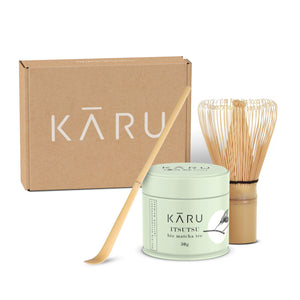


Matcha ice cream is ready in five minutes – no ice cream maker, no milk and no refined sugar. The base is frozen bananas, which the blender turns into a creamy "nice cream", plus two teaspoons of matcha for color, a fine bitterness and the distinctive green tea flavor.
Key points at a glance
- Vegan matcha ice cream needs only 3 ripe bananas and 2 tsp matcha and makes two servings.
- Freeze the bananas beforehand for at least 4 hours (ideally overnight) – without this step, the mixture won't turn creamy.
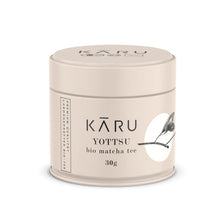
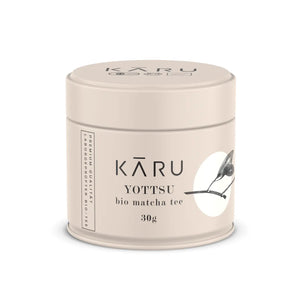
- A culinary matcha like Organic Matcha Yottsu is ideal: bold enough to stand up to sweetness and cold, and much more affordable than ceremonial grade.
- Add the matcha only toward the end of blending and work it in briefly – this keeps the green color fresh and prevents lumps.
- No ice cream maker needed: a countertop blender or food processor with frozen fruit is all you need.
What goes into vegan matcha ice cream?
Classic "nice cream" is ice cream made from frozen, puréed bananas. Blending breaks the fruit down so finely that it takes on an airy, creamy texture – similar to soft serve, but entirely plant-based and without cream or eggs.
Ripe bananas naturally bring enough sweetness, so extra sugar is usually unnecessary. The matcha provides the typical green color and a light, pleasant bitterness, and it rounds out the sweetness of the banana. Two teaspoons for three bananas is a good starting point – if you like it more intense, add another half teaspoon.
How do I make matcha ice cream step by step?
Freeze the bananas
Peel 3 ripe bananas, slice them and freeze for at least 4 hours or overnight.
Blend
Put the frozen pieces in the blender and blend until creamy. If needed, pause and push the mixture down.
Add the matcha
Add 2 tsp matcha (optionally a little coconut milk) and blend only briefly until everything is evenly green.
Serve
Enjoy right away as soft serve, or put it in the freezer for 1–2 hours for firmer scoops.
For a creamier, less fruity version, replace one banana with a few tablespoons of coconut milk. This makes the ice cream richer and tones down the banana flavor a little – handy if you want the matcha to take center stage.
Which matcha is best for baking and ice cream?
For recipes, a so-called culinary matcha is worth it rather than an expensive ceremonial grade. Combined with sweetness, fat and cold, subtle flavor nuances get lost anyway, while what you need is a bold, slightly bitter note that holds its own against the banana.
|
Matcha |
Character |
Suitability for ice cream |
|
Organic Matcha Yottsu |
Fresh, refined bitterness, full body |
Ideal – clearly holds its own against sweetness |
|
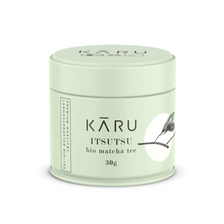
Organic Matcha Itsutsu |
Fruity, intense, dominant |
Very good for a strong green color |
|
Ceremonial grade |
Delicate, slightly sweet, little bitterness |
Possible, but the flavors get lost |
How do you make the ice cream extra creamy?
What matters is how cold the fruit is: only fully frozen bananas turn creamy rather than mushy in the blender. A powerful countertop blender or food processor works the mixture best. A little patience helps – at first the mixture looks crumbly, after one to two minutes it turns smooth.
If you want soft serve rather than scoops, serve right away. For a firmer texture, put the ice cream in the freezer for another one to two hours. Stored longer, it gets very hard – then let it thaw for a few minutes before serving.

Organic Matcha Yottsu
Kräftiger culinary Matcha – ideal fürs Eis
from 25,00 € , 833,33 €/kg
Conclusion
Vegan matcha ice cream is one of the simplest summer recipes there is: frozen bananas, two teaspoons of culinary matcha, a blender – done. With a bold matcha like Yottsu, you get a bright green color and a fine bitterness that perfectly balances the natural sweetness of the banana.


