







As described in the blog post about the Japanese tea culture we will give you an insight into the process and the centuries-old rules of a traditional Japanese tea ceremony. tea ceremony ceremony.
What is a tea ceremony?
Generally speaking, it is the meeting of a host and one or more guests, where tea and a snack are served in a tea house in accordance with special rules. The host wants to welcome his guests and also let them participate in the spirituality and aesthetics of the tea ceremony. There are various names for this ritual. It can be referred to as sado or Chado (way of tea) or also Cha-no-yu (tea ceremony). Not only does the name vary, but the type of ceremony also differs depending on which school the ritual is based on, at what time of year and time of day, and for what reason the tea ceremony takes place.
And what does a tea ceremony look like?
Before we give you an insight into the course of the ritual, you should bear in mind that the overall fulfillment of the four principles of the Way of Tea (Harmony, Reverence and Respect, Purity, Silence) apply across the board. We will explain their meaning and the schools mentioned above in our next blog post.
And now let's embark on the journey of a Japanese tea ceremony:
- First, the guests walk on the so-called roji (garden path) through the garden. The idea is to leave everyday life behind and prepare for the tea ceremony.
- Afterwards, the guests wash their hands and rinse their mouths. This act usually takes place at a stone washbasin at the entrance to the teahouse. This is about both external and internal cleansing (freeing the heart and mind from evil). Shoes must be removed before entering the teahouse.
- After the gong has sounded five times, the guests are allowed to enter the tea room through the crawl space (demonstrating equality and humility). As tea ceremonies often last several hours, guests are offered light meals (kaiseki) are served in the tea room. In this case, the guests must leave the room again before the gong sounds.
- In the tea room, the guests sit in the so-called seizathe Japanese heel seat. Or you can choose the classic cross-legged position.
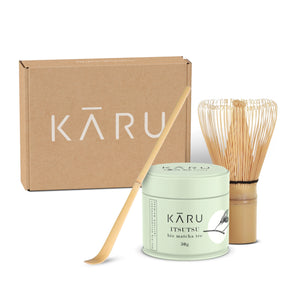
- Before you can finally get started, the tea master cleans the necessary utensils such as a bamboo spoon, a tea bowl and whisk and heats the water, following certain rules.
- After the tea (usually matcha) is prepared, it is served to the first participant (main guest). The latter accepts the tea bowl with a bow.
- Before drinking the tea, each guest must turn the bowl clockwise twice. They then take three sips of tea, making a slurping sound.
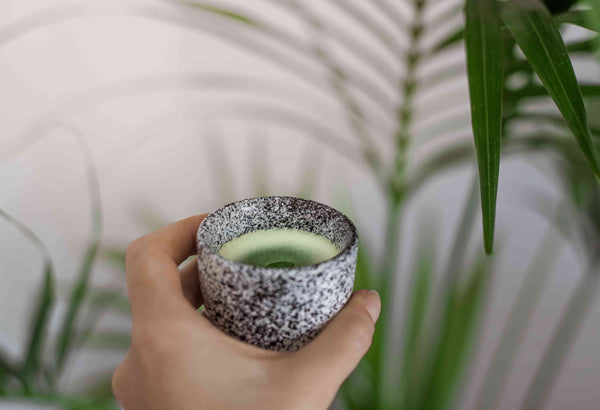
- Before the bowl is passed on to the next guest, the rim is wiped clean. During the tea ceremony, the participants are allowed to talk. However, they are not allowed to talk about everyday topics.
- The ritual ends after the last guest with the cleaning of the tea bowl and the tea master's bow.
Phew... pretty complicated, isn't it? But don't worry, there are also shorter, simpler ceremonies on offer in Japan, especially for tourists. So if you have the chance, just give it a try.
Or have you ever taken part in a Japanese tea ceremony?


