





Matcha panna cotta combines the creamy Italian dessert classic with the fresh, slightly bitter aroma of matcha – a green dessert that stays creamy and sweet while keeping a fine bitter note. It takes about 20 minutes of hands-on time, then it sets in the fridge.
Key points at a glance
- Basic recipe for 4 servings: 400 g cream, 50 g sugar, 3 sheets of gelatin and 1 tbsp matcha (approx. 2 g).
- Soak the gelatin in cold water first (blooming, approx. 5 min.) – otherwise it forms lumps and sets unreliably.
- Before stirring in the matcha, whisk it smooth with a little warm cream or blend it, so the powder dissolves without lumps.
- At least 4 hours in the fridge, ideally overnight, until the cream is firm enough to slice.
- For color and aroma, use a culinary matcha – more stable under heat and when mixed, and more affordable than ceremonial grade.
The matcha gives the panna cotta a slightly bitter twist that is balanced by the sweetness of the cream. Visually, the dessert is an eye-catcher anyway: you rarely see green panna cotta, and the combination of velvety texture and the light astringency of green tea makes it a talking point at any table.
Which matcha is best for panna cotta?
For cooking and baking, you don't need an expensive ceremonial matcha. A bold culinary matcha (kitchen grade) holds its own better against cream and sugar and keeps its green color more reliably. More important than the price range is that the powder is fresh and bright green – a dull yellowish green points to oxidation and tastes flat to bitter.
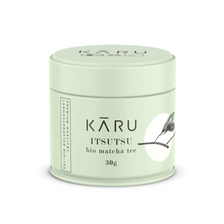
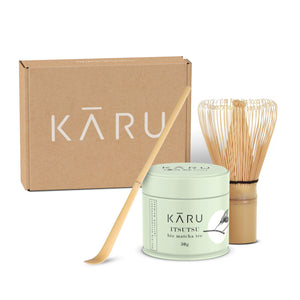
Our finely bitter Organic Matcha Itsutsu is a good fit for this recipe: intense enough to stay present in the cream, and affordable for everyday use.
How do I make matcha panna cotta step by step?
Soak the gelatin
Soak 3 sheets of gelatin in cold water for approx. 5 minutes until soft.
Heat the cream
Warm 400 g cream with 50 g sugar until the sugar dissolves, then remove from the heat.
Stir in matcha & gelatin
Dissolve 1 tbsp matcha and the squeezed-out gelatin in the hot cream; if needed, whip briefly with a mixer.
Chill
Let it cool until lukewarm, divide among 4 small bowls (approx. 150 ml each) and chill for at least 4 hours.
The cream should no longer be boiling when you stir in the matcha – too much heat can flatten the aroma and dull the color. So only stir in the powder once the cream is off the heat, and help with the mixer if lumps form.
Can I make matcha panna cotta vegan?
Yes. Instead of cream and gelatin, use plant-based milk or coconut milk and agar-agar as a setting agent. Agar sets differently from gelatin: it has to be boiled briefly and then gels as it cools. You'll find the full instructions in our separate recipe for vegan matcha panna cotta with coconut milk & agar.

Organic Matcha Itsutsu
Fein-herber Bio Matcha – ideal zum Kochen, Backen und für Matcha Latte.
from 19,00 € , 633,33 €/kg
Conclusion
Matcha panna cotta is a simple dessert with a big impact: little work, few ingredients and a result that stands out for its color and bittersweet balance. The keys are soaked gelatin, well-dissolved matcha powder and enough chilling time – then it turns out reliably.


