







Not just cold matcha, but also cold green tea? In fact, you can also drink cold green tea as a change to your cold matcha on these hot summer days. Unlike in our blog post Cold matcha - how it works we are not going to give you any recipes with cold green tea today, but an insight into the traditional form of preparation, called Mizudashi (水出し), instead.
What type of tea is suitable for Mizudashi?
Translated from Japanese, it means Mizudashi "let it steep cold" and the result is called Reicha (冷茶), which means "cold green tea". There is no specific type of tea that must be used for this type of preparation. From Bancha and sencha over Hojicha up to Gyokuro and Tencha, you can prepare a cold, refreshing drink with almost all varieties. Benifuuki tea is an exception, as it can develop phototoxic substances if brewed for too long. Although almost all types of tea are suitable for preparation as a richa there is a special processing method that makes the teas (mizudashi teas) for preparation as cold green tea.
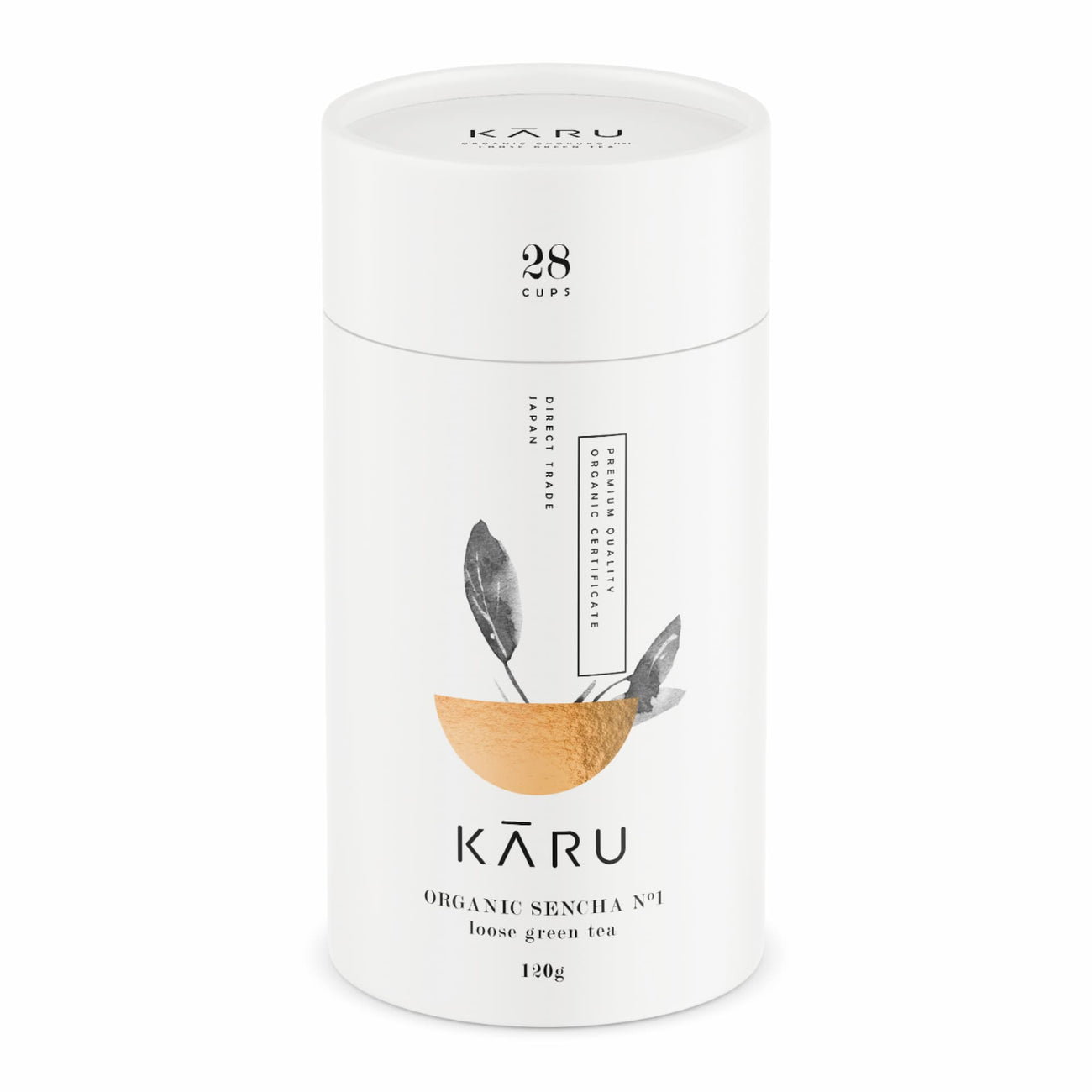 |
Sencha green tea Also suitable for cold preparation |
Mizudashi teas - special processing method
With Mizudashi teas, the tea leaves come from early plucking (1st harvest) and are further processed with a high degree of steaming. Overall, this process takes less time than with regular senchas, banchas, etc. This form of processing is intended to optimize the surface of the leaves for the even release of ingredients into the cold water so that they can develop their full aroma. To differentiate the teas, they are labeled with the addition Mizudashi to distinguish them.
How does the preparation of cold green tea work?
In general, this form of preparation is very simple. To do this, first put the tea leaves loose (approx. 3-4 heaped teaspoons or 15-25 grams) in a carafe or ideally in a specially designed mizudashi glass bottle. Then pour 0.5 to 1 liter of cold water over it and place the carafe/glass bottle in the fridge for about an hour. The ideal brewing temperature here is between 8°C and 10°C. You should then pour off the tea and enjoy it either immediately or within 24 hours, as after this time the flavor will diminish. You should also avoid brewing for more than 6 hours. Basically, it can be said that the longer the infusion time, the more caffeine and catechins are released. You can read more about the infusion times of warm green teas in our blog post Brewing times for green tea - everything at a glance to find out more.

Advantages of cold brew green tea
In contrast to Japan, where Mizudashi is particularly popular on hot summer days, cold green tea preparation is not yet widespread in this country. However, due to its low caffeine content and only a few bitter substances, this tea is particularly suitable for the initial enjoyment of green tea. Also Umami flavor Become friends Mizudashi teas with their refreshing and slightly sweet flavors. Not only the taste is changed by the cold preparation, but also the ingredients and their potential effects on health.

So contain Mizudashi teas, for example, contain approx. 50% more amino acidswhich are said to have a positive effect on the cardiovascular and nervous systems, among other things. The ratio EGCG (epigallocatechin gallate) and EGC (epigallocatechin) of the Reichas is different. In contrast to EGCG, EGC can develop better at lower temperatures. This means that it contains Mizudashi teas contain a high proportion of EGCs, which are said to have an immunostimulating effect. In addition to these benefits, the simple preparation and ease of taking along to the next swimming or hiking trip make the Mizudashi teas an ideal summer drink.
Green tea cold and warm in comparison
Drinking warm green tea can help to reduce the feeling of relaxation and promote the digestion support digestion. On the other hand, cold green tea can be refreshing, especially on hot days, and also has the advantage that it lasts longer. shelf life than warm tea. So it really depends on your personal preference and the circumstances.
But first, what do you think of the cold brewing method for green tea? Would you like to try it out or are you more of a warm tea drinker? Leave us a comment below!
In our next blog post, we want to introduce you to more teas from the so-called functional teas and explain their benefits. So stay tuned.


