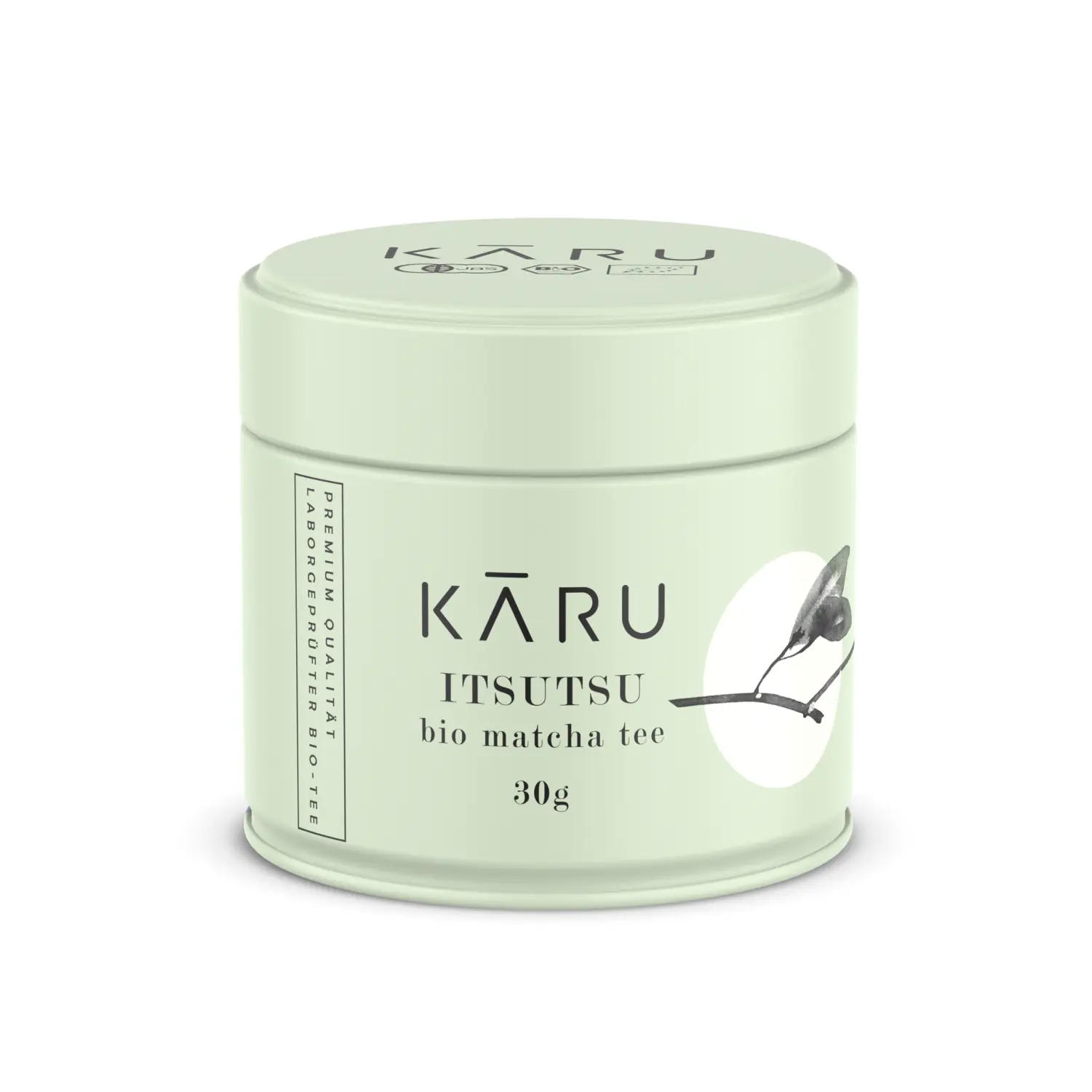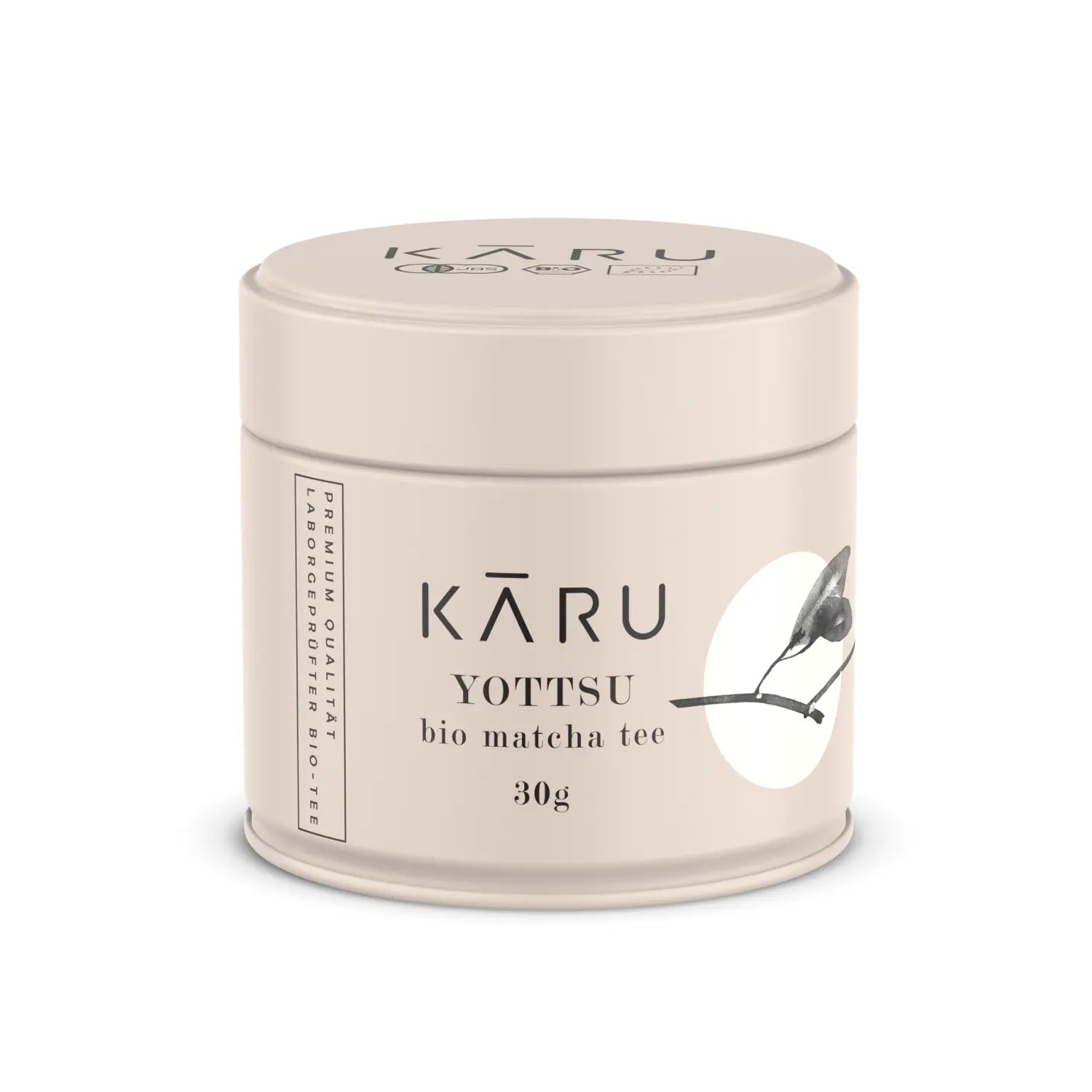



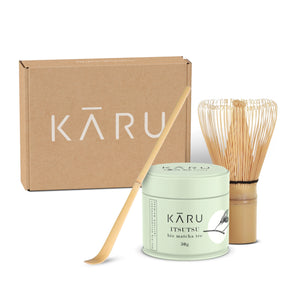
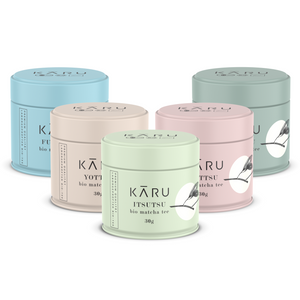


Find out here how our 6 matcha varieties differ. If you still can't decide after that, just drop us a line!
One thing we can assure you right off the bat: We only include teas in our selection that we ourselves enjoy drinking every day. So you really can’t go wrong with any of our teas.
Main Differences
It’s the expected answer, yet it’s so vague, isn’t it? Our customers and we consistently describe it this way: The higher the quality of a matcha’s processing (see next point), the milder and more complex its flavor. As the quality increases, so does the creaminess, and the mouthfeel changes—it becomes more pronounced and fuller.
Very high-quality teas taste best on their own, since their delicate aroma can’t really stand up to milk (or milk alternatives) and is quickly overwhelmed.
We’ve described how to taste tea here for you.
Matcha is made from tencha, which is green tea that has been shaded and briefly steamed. The longer the tea is shaded, the more chlorophyll the leaves can produce. This gives it its mild flavor.
For the highest-quality teas, only the topmost and most tender shoots are hand-picked (tezumi) in the spring (ichibancha, or first flush). These leaves can be ground even finer later on, resulting in a better foam. The flavor is also more delicate.
"Cultivar" refers to the variety of the green tea plant. While this is actually an important distinction, its effect on the tea is largely subjective, since no single variety tastes "better" across the board.
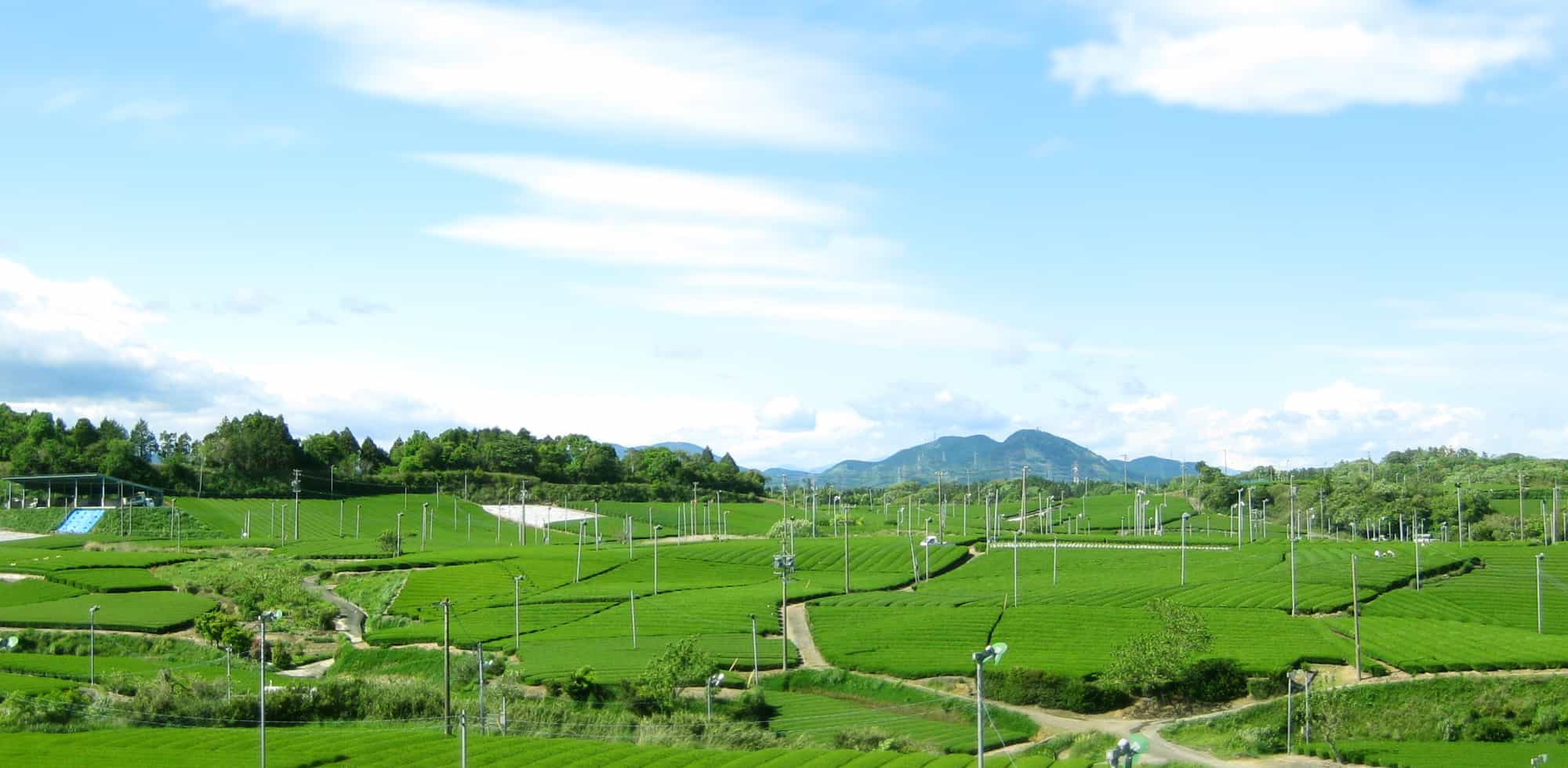
Japan is home to a wide variety of outstanding tea-growing regions. Due to differing geographic and climatic conditions, each region has its own unique approach to cultivating green tea. Find out here which regions of Japan we source our teas from.
The Purists
Premium Line
Our finest teas. Expect a creamy and silky-smooth texture, complex and refined aromas, and a full-bodied, balanced flavor. From fruity, lively, and fresh to gentle, balanced, and rounded, all the way to complex, buttery, and sweet, the entire spectrum of the finest matcha characteristics is covered.
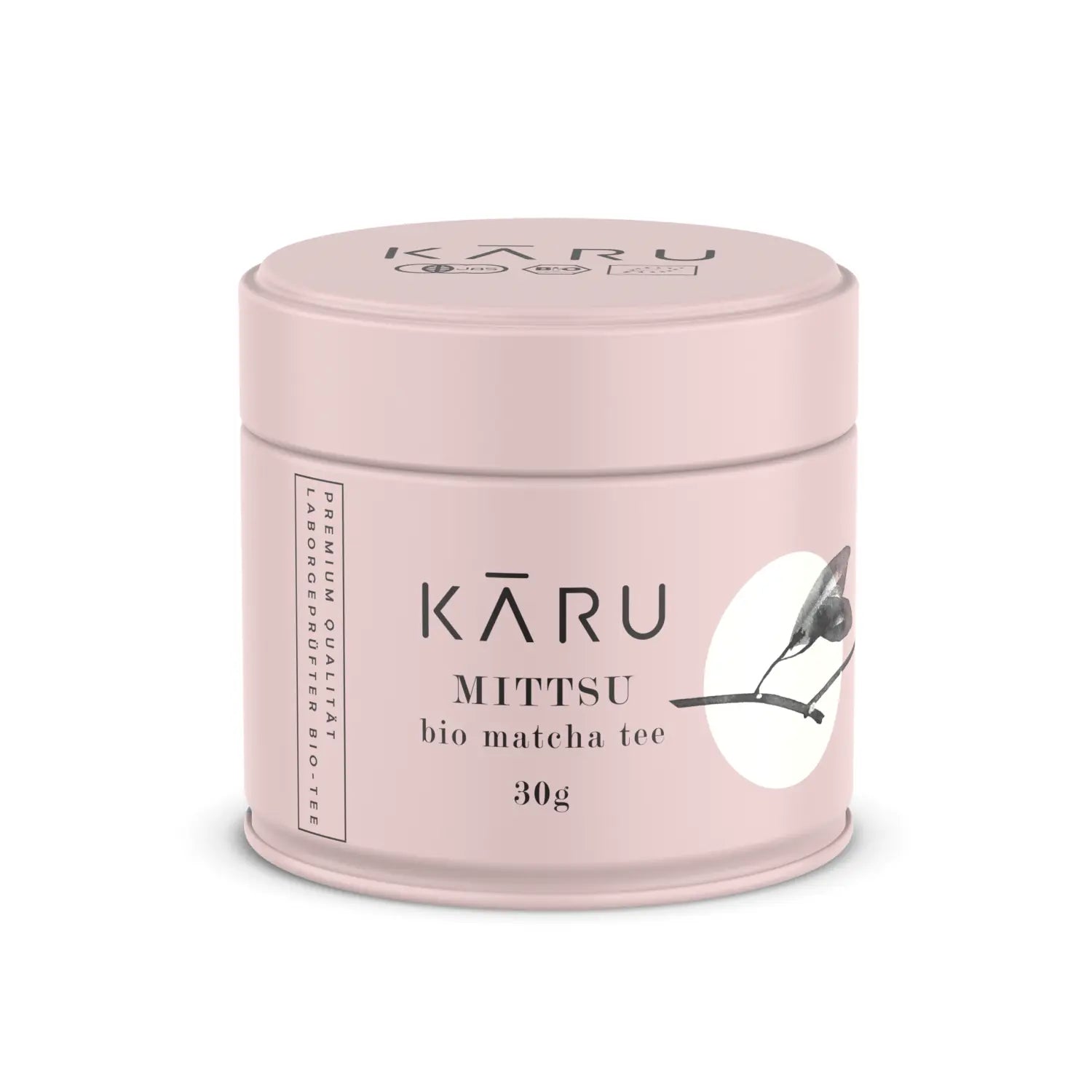
Mittsu
Vibrant, intense, and fresh
Fully shaded for at least 21 days.
Cultivars: Samidori, Asahi, Yabukita, and Saemidori.
First harvest, hand-picked.
From Nishio, Aichi.
For tea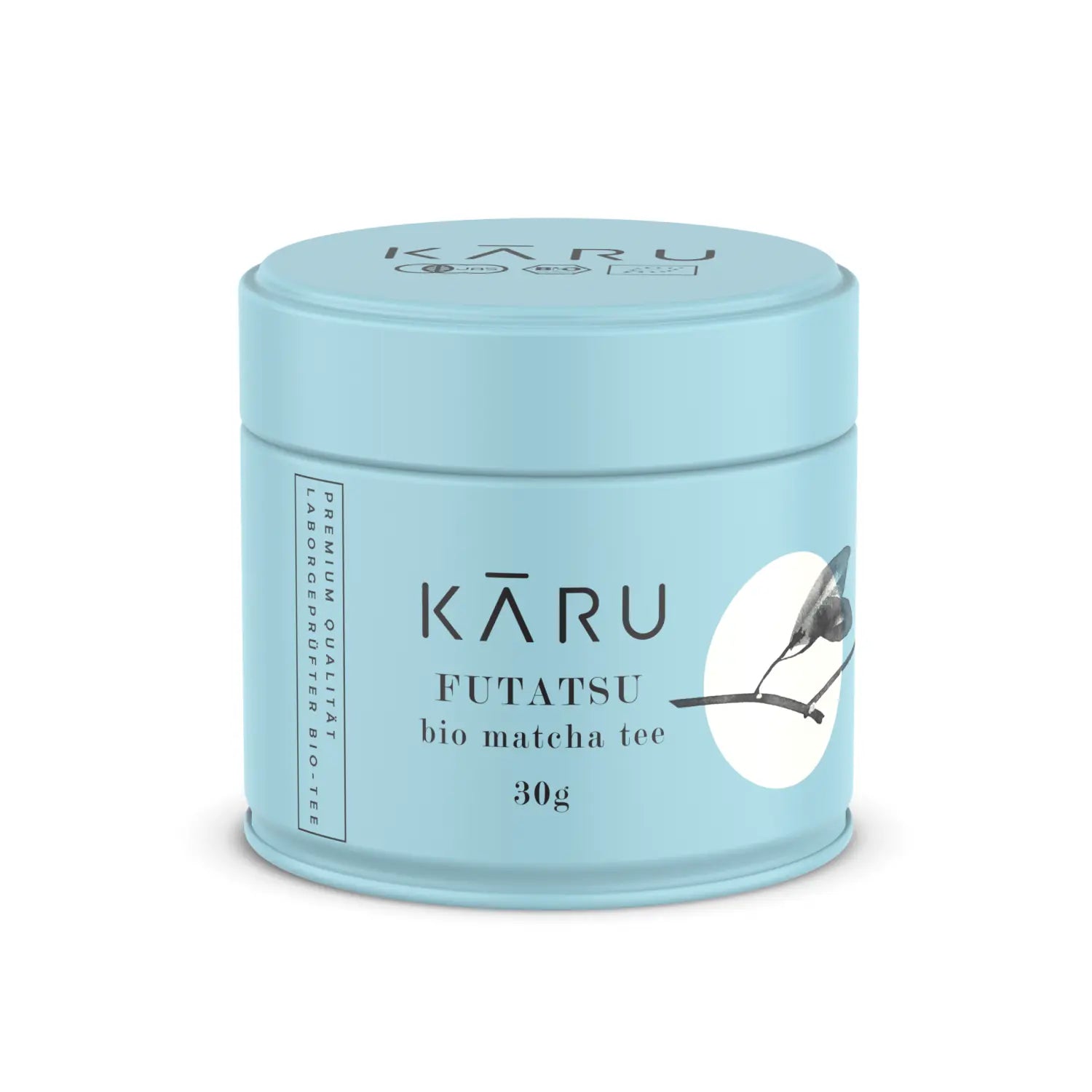
Futatsu
Mild, round, and subtle
Kept in full shade for 30 days.
Cultivars: Samidori, Asahi, Yabukita, and Saemidori.
First harvest, hand-picked.
From Nishio, Aichi.
For tea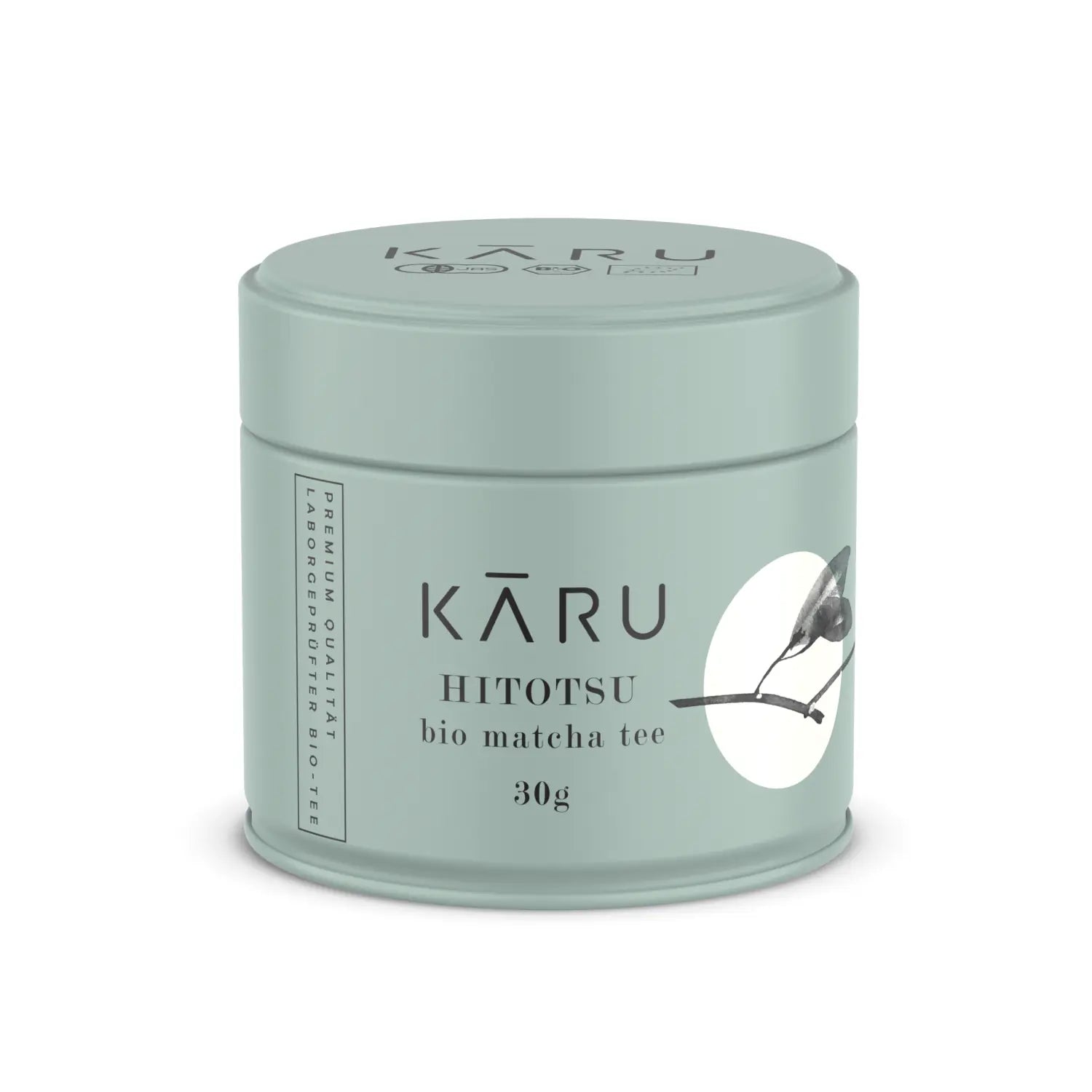
Hitotsu
Round, complex, and elegant
Fully shaded for more than 30 days
Cultivar: Okumidori
First harvest, hand-picked.
From Kirishima, Kagoshima
For tea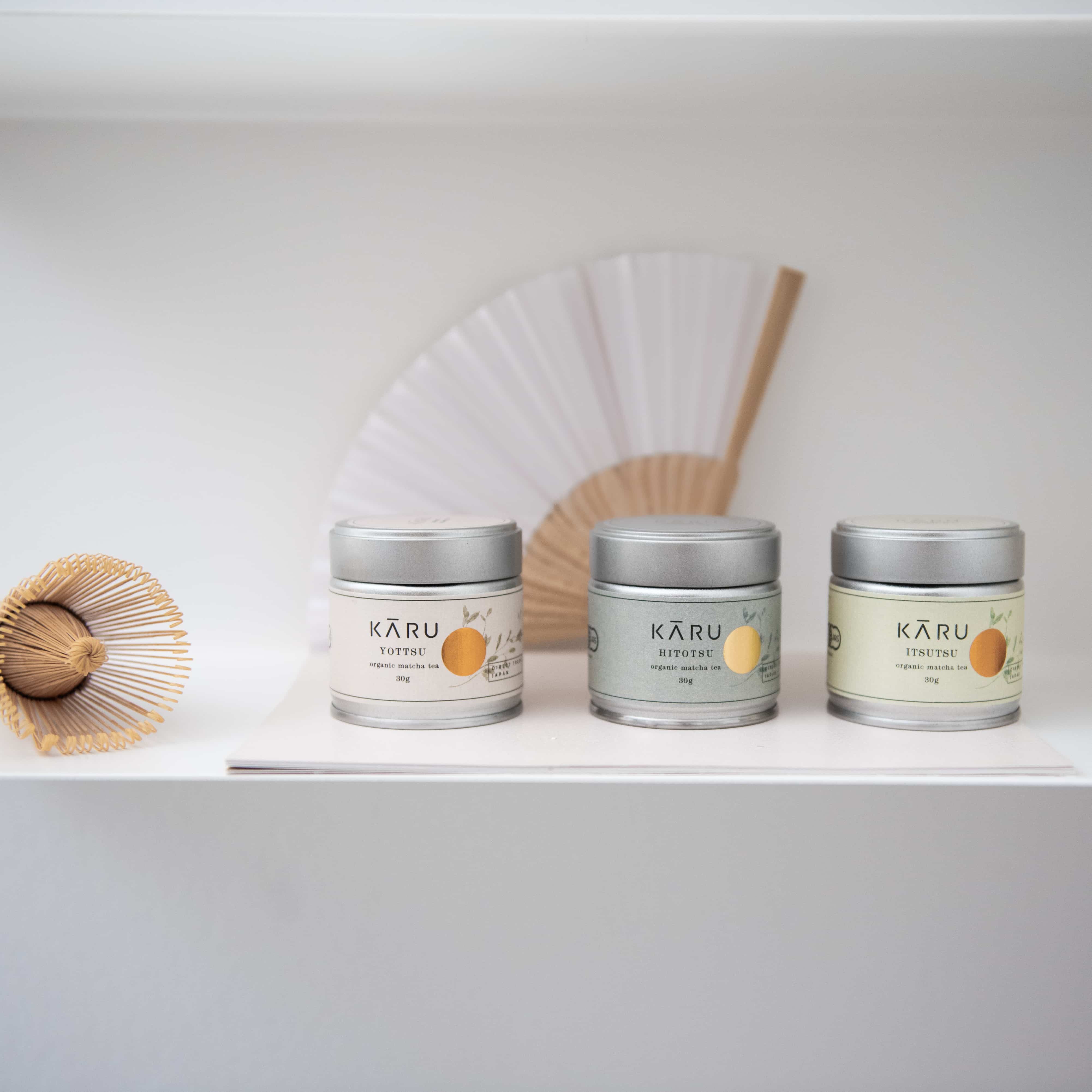
The Flexible Ones
Basic Line
The perfect introduction to the world of the finest matcha teas. Intense, robust matcha varieties that are particularly well-suited for baking, cooking, matcha lattes, and other beverages. But even here, we make no compromises when it comes to quality and certifications. Our 100g Basic Matcha is arguably one of the best “cooking and baking matcha” varieties on the market.