





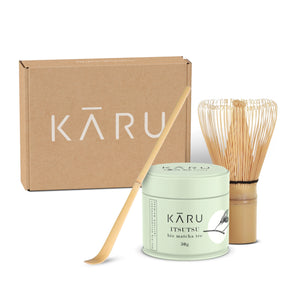
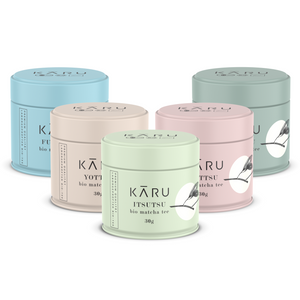


In this article, we have compiled the most important facts about matcha tea. From the cultivationabout the quality up to the ingredients and the Matcha tea taste.

#1 Cultivation
Matcha tea is made from tencha leaves are extracted. To do this, the special green tea is almost completely shaded for several weeks. This allows the complex ingredients to develop and the full and gentle aroma. You can find more information about matcha cultivation in our blog post"The best tea growing regions in Japan".

#2 Production
For the best matcha tea only the top leaves are harvested and processed by hand. The stems and leaf veins are removed in order to obtain the pure and tender leaf flesh. After the steaming and drying the Tencha on granite stone mills into an extremely fine powder. This produces just 30g-40g of matcha per hour.
#3 Ingredients
Matcha tea has a wealth of vitamins, minerals and antioxidants. Together with the invigorating caffeine and amino acids, matcha powder is a real super food.

#4 Quality
There is a multitude different qualities of matcha tea on the market. You can recognize really good matcha tea by its deep green color, the sweet and complex smell and, of course, the taste. More about this in the article: Matcha tea qualities.
#5 Alternative to coffee
A cup of matcha has just as much caffeine as a strong coffee. In contrast to coffee, the wakefulness effect lasts longer and there are no unpleasant side effects such as heartburn and tension. Read more in the article: Matcha tea as an alternative to coffee.

#6 Taste
The best matchas are characterized by a sweet, slightly sweet fruitysometimes nutty and always complex and full Matcha tea Flavor from. These special green teas have a full and creamy mouthfeel and are never sour or strongly bitter.
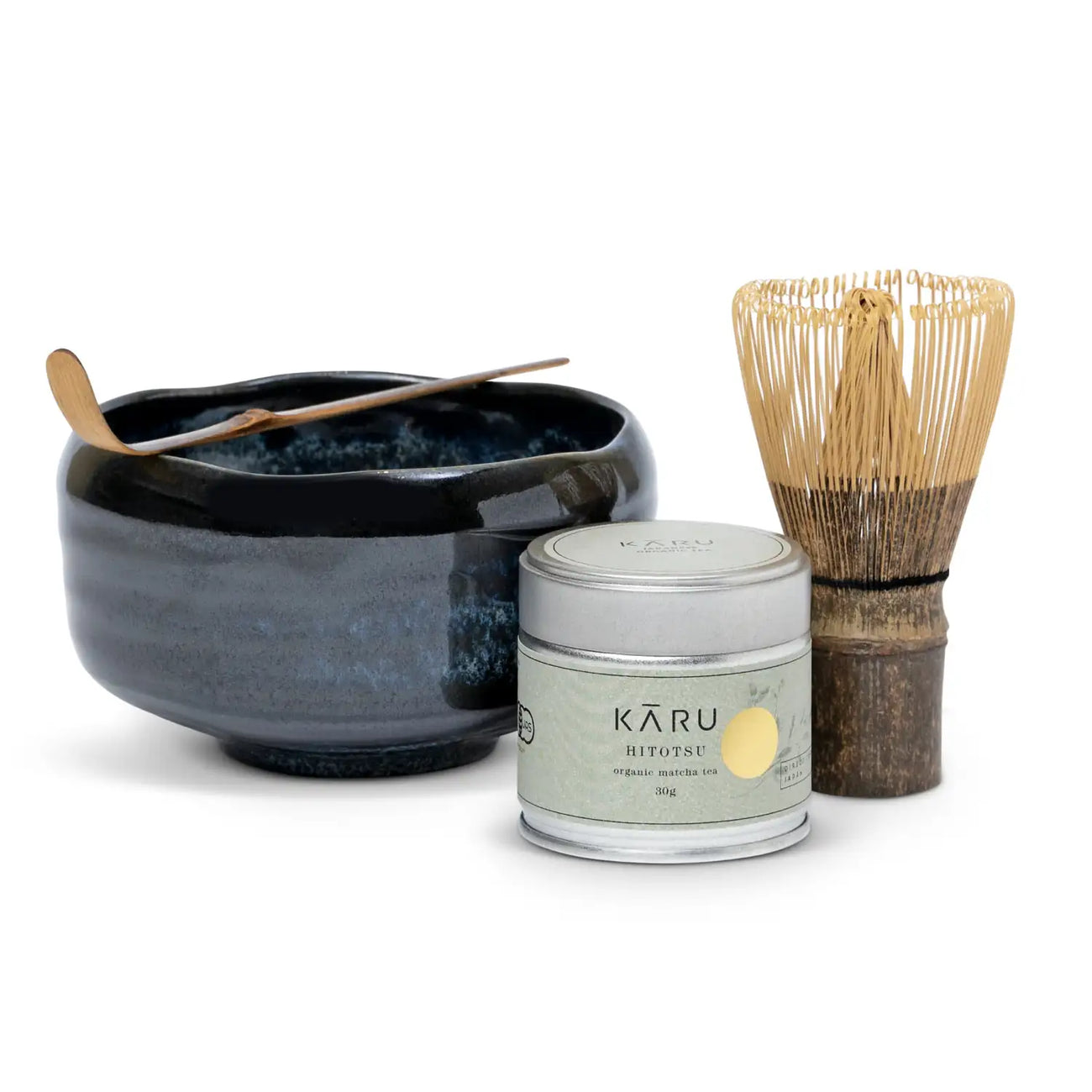 |
Hitotsu Set Ideal for the traditional preparation of matcha tea. |
#7 Preparation
To make matcha tea, you don't need more than one cup of tea to start with. bamboo whisk and a bowl. Mix a sip of water with 1-2 grams of matcha to form a fine paste. Then add 60-90 ml of 70°C warm water and whisk with a bamboo whisk until frothy. More about this in the magazine: Matcha tea the right way to prepare it.

#8 Price
As with all good things quality has its price. Especially with good matcha, a high price justified. The powder is not only made from the highest quality green tea, but is also very elaborate harvested, processed and ground. This is why good matcha can cost €1 per gram or more.

Conclusion
Matcha tea is a true miracle cure what ingredients and effect and effect. What's more, the tea is a real treat, characterized by its complex aromas and its gentle, smooth taste. sweet character character. Due to the special cultivation, the manual harvest and the laborious extraction of the best Tencha, a good quality is also reflected in the price. If you want the best matcha tea, you have to be prepared to pay a corresponding price.


